
Food security is not just about the availability of food, but also about people’s ability to obtain sufficient, high-quality, and affordable food. As a complex concept, food security encompasses all aspects of the food and nutrition system, including production, distribution, consumption, and nutritional status (Salsabela et al., 2024). Amid fluctuations in the prices of basic necessities that can affect purchasing power, access to food remains a critical issue that must be continuously strengthened, particularly for communities with lower income levels.
This situation served as both a concern and the backdrop for the implementation of the Basic Food Package Assistance Program as part of the Affordable Market initiative in Yogyakarta, carried out by PT Perusahaan Gas Negara (Persero) Tbk in collaboration with Filantra on August 22, 2026. The program, held at Kedai Bahagia Yogya in Tiyosan, Condongcatur, Kapanewon Depok, Sleman Regency, Special Region of Yogyakarta, was designed to help the community obtain basic food staples at more affordable prices.
More than just the distribution of aid, this program combines support for food access with community participation in healthy living activities through group exercise. This approach demonstrates that efforts to strengthen food security can be achieved through simple steps that address basic needs while encouraging active community involvement.
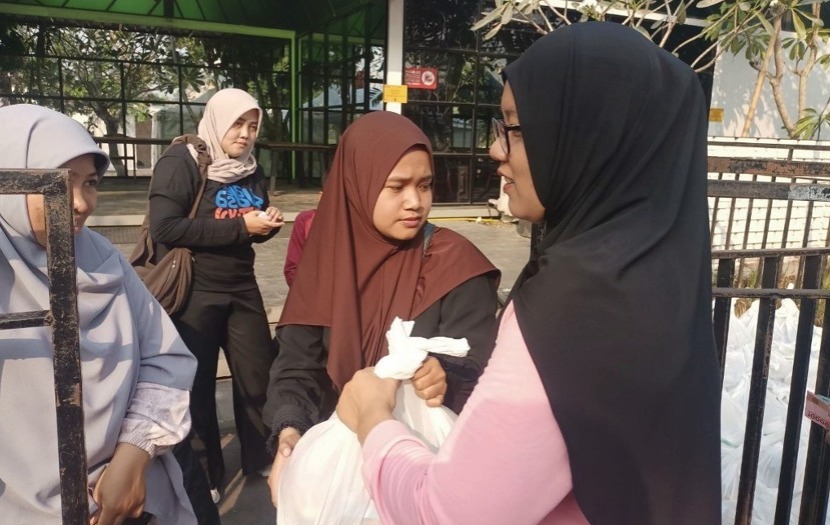
(Distribution of Food Packages to the Local Community)
When Food Access Becomes Part of Social Responsibility
Fluctuations in the prices of basic necessities can put pressure on people’s purchasing power. For low-income households, changes in food prices can make meeting daily needs increasingly challenging. Through the affordable market, the community has the opportunity to obtain a selection of staple food items at more affordable prices. A total of 200 food packages were distributed as part of this program, with each package consisting of 6 items: 5 kg of rice, 1 kg of granulated sugar, 1 liter of cooking oil, a can of sweetened condensed milk, 150 grams of coffee, and 25 tea bags.
Residents can purchase these packages for Rp50,000 which is a price that is significantly lower than the combined market value of the items, thereby helping to reduce the financial burden of food expenses while expanding access to daily food staples. Ultimately, food security is not just about the availability of food, but also about the extent to which people can access it at an affordable cost.
Ensuring Aid Reaches the Intended Recipients
One of the challenges in implementing aid programs is ensuring that support reaches the intended recipients. Therefore, this program employs a coupon distribution mechanism prior to the event. Food assistance coupons are distributed to community members one day before the group exercise session. Subsequently, coupon recipients participate in the exercise session as part of the program’s activities before exchanging their coupons for subsidized food packages. This mechanism is part of an effort to create a more orderly distribution process while encouraging community involvement in program activities.
Interestingly, support for food security in this program is also integrated with group exercise activities as part of the Suadesa 2026 initiative.
Residents who receive coupons participate in the group exercise session before exchanging them for food packages. This activity serves as an opportunity to encourage the community to be more active in maintaining their fitness while fostering a sense of togetherness among residents from various hamlets surrounding the event location. This approach demonstrates that meeting food needs and raising awareness about healthy lifestyles can go hand in hand. Affordable food helps meet basic needs, while physical activity is part of the effort to maintain the community’s quality of life.
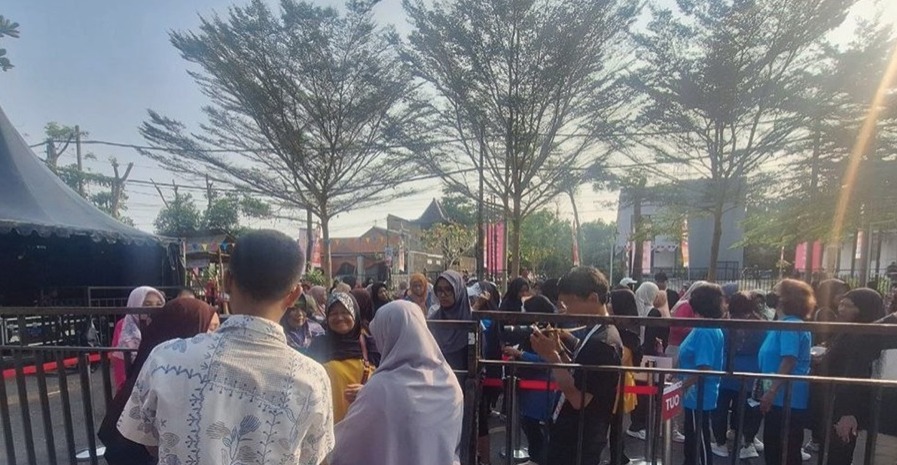
(Distribution of Food Package Assistance as Part of the Affordable Market Initiative)
A Step Toward Food Security
A total of 200 food packages were successfully distributed to the people of Yogyakarta during the program’s implementation on August 22, 2026. Each package contained six types of food items, which the community could purchase for Rp50,000.
In addition to the number of beneficiaries, attention to resource allocation was also a crucial aspect of the program’s implementation.71.5% of the program’s funds were allocated directly to the procurement of food packages, while the remaining funds were used to support the operations and management of activities to ensure the distribution process ran effectively.
This figure indicates that the program’s primary focus is on meeting the community’s food needs through the procurement of food packages. Meanwhile, operational support remains essential to ensure that the distribution process and implementation of activities proceed in an orderly and targeted manner.
Food Security Starts with Affordable Access
Food security is a crucial component of sustainable community development. When communities have better access to staple foods, they have greater capacity to adequately meet their households’ basic needs.
Food assistance activities through food packages are a direct response to this issue and have become a model for effective social intervention (Dirgantara et al., 2025; Hanif et al., 2024). The affordable market program is one form of intervention that can be implemented to support such access. Through price subsidies, targeted distribution, and community involvement in collaborative activities, this program aims to provide benefits that are not only material but also social.
In the context of sustainable development, such measures are linked to SDG 2: Zero Hunger, particularly in supporting community access to sufficient and affordable food.
Because Food Security Starts with Care
Food security is not the responsibility of just one party. Collaboration between companies, the community, and various other stakeholders is needed to ensure that basic needs continue to be met, especially for community groups facing limited purchasing power.
Through a program organized by PT Perusahaan Gas Negara (Persero) Tbk in partnership with Filantra, the affordable market initiative in Yogyakarta serves as a concrete step to provide tangible support for the community’s food needs. Building food security doesn’t always have to start with grand gestures. More affordable access to food, targeted distribution, and a commitment to meeting community needs can be simple yet effective steps toward building a more sustainable future.
References
- Filantra. Dukungan Ketahanan Pangan melalui Program Pasar Murah bagi Masyarakat Yogyakarta. 2026.
- Salsabela, P., K. Y. Alvito., E. Setiawati., & A. Malik. (2024). Implementasi Kemiskinan dan Stabilitas Pangan di Indonesia. Jurnal Intelek dan Cendikiawan Nusantara, 1(5), 9063–9072.
- Dirgantara, F., D. Darmawan., R. K. Khayru., F. Issalillah., R. Mardikaningsih., M. Hariani., R. Hardyansah., & Sulani. (2025). Pemberdayaan Sosial melalui Bakti Sosial Sembako Berbasis Partisipatif di Lingkungan Perguruan Tinggi. Z-Covis Jurnal Pengabdian Masyarakat, 1(1), 67–77.
- Hanif, F., Al-Jihadi, M. Z., & Nuha, Z. U. (2024). Pengabdian Kepada Masyarakat Melalui Kegiatan Bakti Sosial Dan Bazar Murah Di Dusun Klepu. Efada: Jurnal Pengabdian Masyarakat,1(2), 150-155