Diving into Field Realities: Why Social Mapping is the Most Decisive “Step Zero”
Many people think that starting a social program is as simple as showing up and providing aid, but the reality is much deeper than that. Behind every tangible action that creates a significant impact, there is a profound research process called Social Mapping. This is not merely an office formality; it is a way for organizations and companies to truly get to know the authentic face of the community before moving further.
Building a Foundation from the Most Basic Data
There is a powerful principle that something cannot be improved if it is not understood first. That is why everything starts from the very basics by collecting comprehensive general regional data. In this stage, real demographic data is dissected, ranging from the distribution of productive age groups and education levels to the diversity of local residents’ livelihoods.
In addition to the demographic profile, the condition of basic infrastructure in the field is also mapped in depth. Direct checks are conducted on the availability of proper sanitation access, clean water sources, and health and education facilities accessible to the residents. With this basic data in hand, statistics on paper transform into a deep understanding of the economic pulse and the daily life challenges faced by the community.
Getting to Know the Figures Behind the Numbers
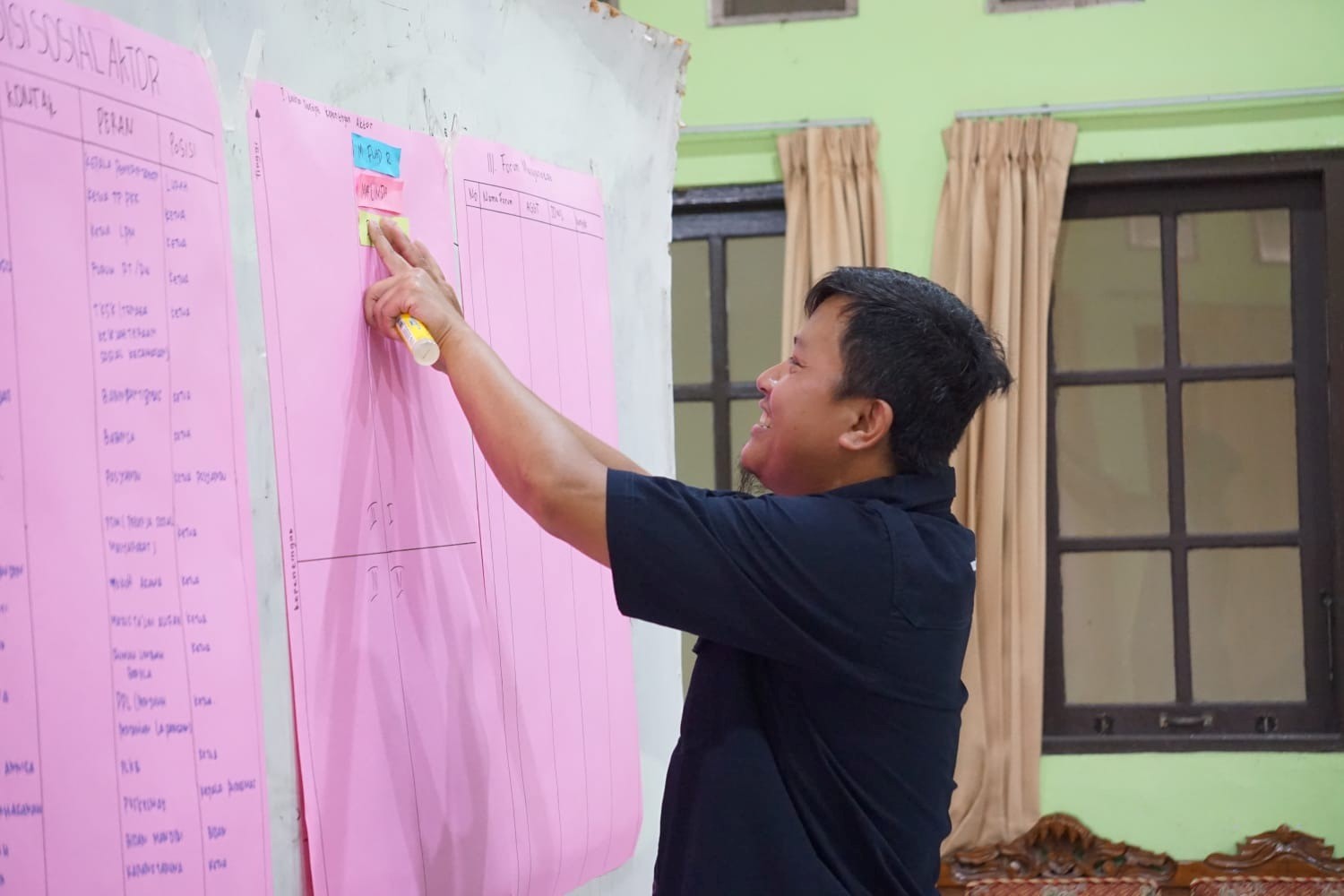
A community is not just a collection of numbers in statistics. In social mapping, a direct identification is carried out to determine who the stakeholders or key figures are. Filantra builds communication with village officials and local community leaders so that the programs designed later receive full support from the grassroots. This collaboration is crucial because they are the ones who best understand the daily dynamics in their own territory.
Determining the Right Direction for Targeted Impact
There is a strong reason why more time is spent on this mapping phase. The main goal is to ensure that the assistance provided is not misplaced and truly answers the real needs of the residents. Filantra strives to avoid providing solutions based solely on unilateral assumptions from the company.
Through social mapping, the most urgent problems that need immediate handling can be filtered, and local potentials that can be further developed can be identified. The goal is for every rupiah spent and every effort exerted to provide maximum sustainable impact through a more humanistic approach.
Transforming Data into Real Impact
Ultimately, social mapping serves as a compass in determining the most effective intervention strategy. The collected data becomes the basis for deciding whether an area needs emergency assistance or, instead, a long-term capacity empowerment program that can make residents more independent.
In this way, companies together with Filantra can account for every program professionally and transparently to all stakeholders. The programs implemented are not just about giving; they are about building a future together with the community through measured steps oriented toward sustainability.
List of References
Dalam menyusun pemetaan sosial yang kredibel rujukan pada literatur dan jurnal ilmiah terbaru adalah sebagai berikut:
JCIC Jurnal Pemetaan Sosial dan Pemberdayaan Masyarakat (2025) yang membahas dinamika riset sosial dan metodologi profiling masyarakat terkini
Peraturan Menteri Lingkungan Hidup dan Kehutanan Nomor 1 Tahun 2021 tentang Program Penilaian Peringkat Kinerja Perusahaan dalam Pengelolaan Lingkungan Hidup
Achmad W (2023) dalam Jurnal Innovative Jurnal Of Social Science Research mengenai Pemetaan Sosial dan Tanggung Jawab Sosial Perusahaan di Indonesia