
When Qurban Becomes a Small Step Toward a More Sustainable Future
Eid al-Adha has always been closely associated with the values of sharing and social compassion. However, today, discussions about qurban are no longer limited to the process of animal slaughter and meat distribution alone. Society has begun to see that qurban can also become part of broader efforts to create more sustainable social, economic, and environmental impacts.
This aligns with the growing attention toward sustainability issues across various sectors of life. According to data from the Ministry of Environment and Forestry (KLHK), Indonesia’s national waste generation in recent years has reached tens of millions of tons annually. A large portion comes from household waste, including single-use plastic waste frequently used in distribution and consumption activities within communities. The momentum of Eid al-Adha has therefore become one of the periods requiring greater attention to waste and by-product management to ensure that its implementation remains environmentally friendly. On the other hand, qurban also holds significant potential to strengthen local economies and improve food access for communities in need.
Through a more sustainable approach, qurban can be carried out by considering its long-term impacts, ranging from the use of environmentally friendly packaging and proper waste management to supporting local livestock farmers. In this way, the spirit of sharing in qurban is not only felt during the holiday itself, but is also able to create broader benefits for both society and the environment.
Qurban That Moves More Than Just Compassion
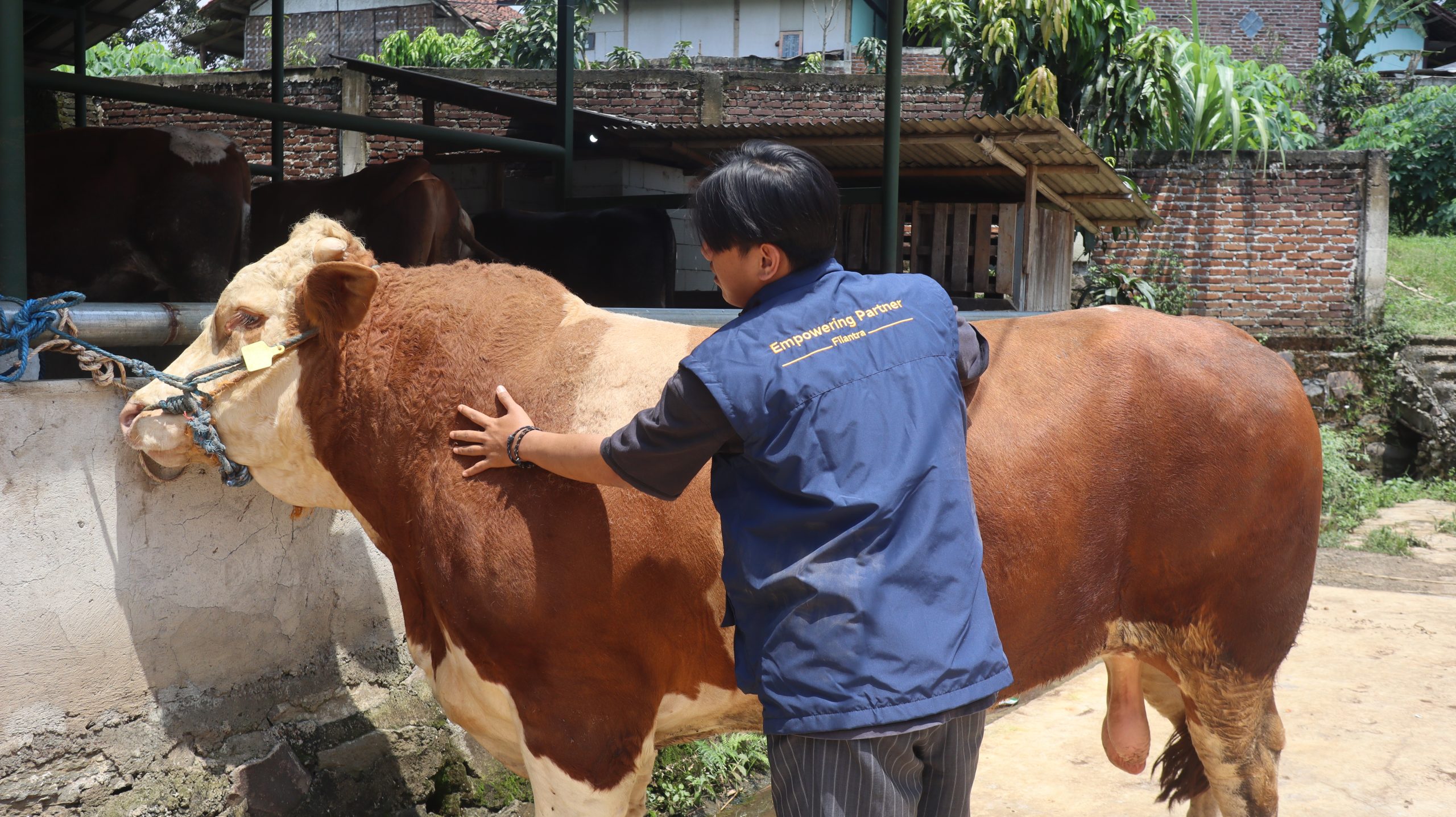
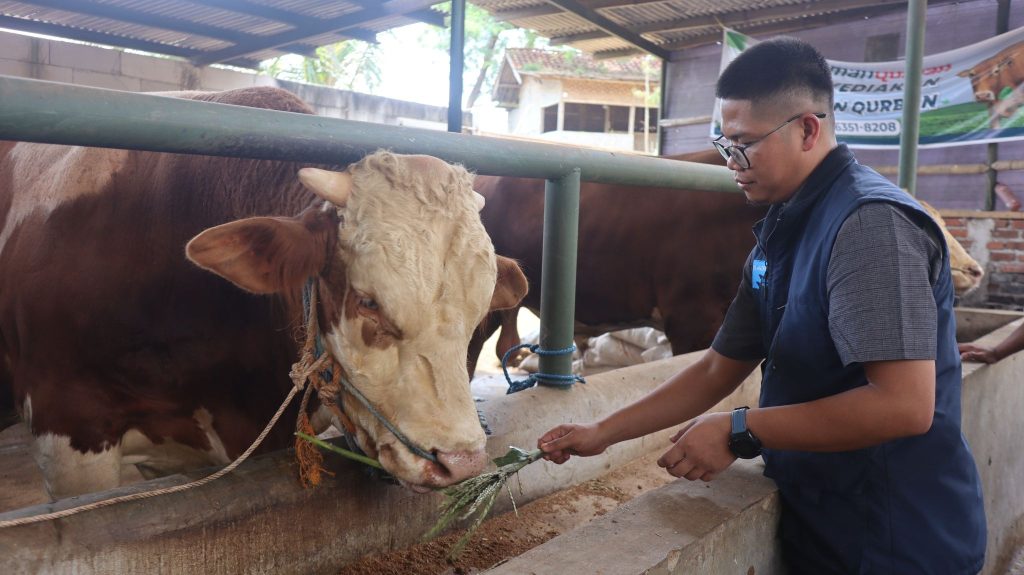
Behind every qurban animal, there are many parties who continue to move forward and grow. Local farmers, animal feed traders, and small business owners around qurban activities all become part of an economic chain that is positively impacted.
Sustainable qurban practices can begin by supporting local farmers and ensuring that the distribution process is carried out more fairly and reaches the right beneficiaries. In this way, the benefits of qurban are not only experienced by aid recipients, but also help stimulate the wider community economy.
Ultimately, qurban is not merely about giving, but also about strengthening the lives of many people through an ecosystem that supports one another.
Sustainability Begins with Things Often Considered Simple
Qurban practices are also closely connected to environmental issues. The use of single-use plastic bags, the management of slaughter waste, and the cleanliness of distribution areas are important concerns to ensure that religious practices remain aligned with the spirit of protecting the planet.
Today, more simple initiatives can be implemented to support more environmentally friendly qurban practices, such as using more sustainable packaging, managing organic waste properly, and reducing waste during the distribution process.
Small steps like these serve as proof that environmental awareness can begin through meaningful moments of sharing.
The Impact of Qurban Should Not End in a Single Day
One of the important values of sustainability is how an action can continue providing benefits in the long term. This spirit is what transforms qurban from merely an annual ceremonial activity into a growing social movement.
Through well-targeted distribution, qurban can help fulfill the food needs of communities in need, strengthen social solidarity, and foster compassion among people. Furthermore, the momentum of qurban can also become a space for education to build awareness about the importance of responsible sharing.
Because in essence, the greatest impact of qurban lies not only in what is given, but also in the humanitarian values that continue to live on afterward.
Because Goodness Should Always Continue
Sustainability in qurban is not about making things more complicated, but about ensuring that every process is carried out with greater care, responsibility, and meaning. When sustainability values are applied, qurban can become a real step toward delivering social, economic, and environmental benefits simultaneously.
Together with Filantra, let us continue to foster the spirit of sharing that not only provides temporary benefits, but also creates sustainable impacts for society and the environment. Because every act of compassion carried out wholeheartedly can become a meaningful step toward a better future.
Daftar Pustaka
- Kementerian Lingkungan Hidup dan Kehutanan Republik Indonesia. Data Pengelolaan Sampah Nasional.
- Badan Pusat Statistik (BPS). Statistik Lingkungan Hidup Indonesia.
- United Nations. Sustainable Development Goals.
- Kementerian Pertanian Republik Indonesia. Data Peternakan dan Kesehatan Hewan.