
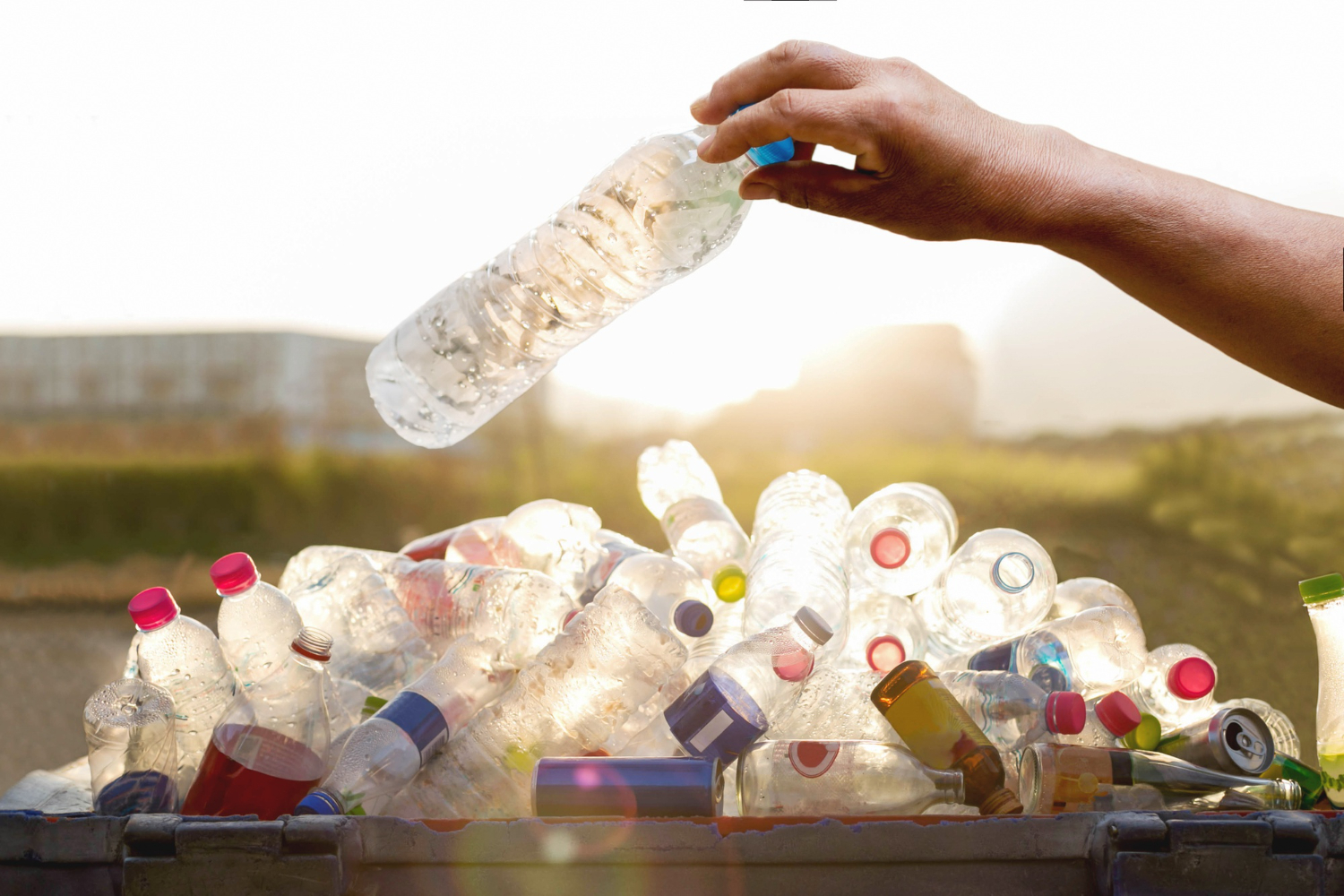
When Plastic Becomes Scarce, It’s the Momentum to Switch to Greener Alternatives
Amidst rising environmental awareness, plastic which has long been an inseparable part of daily life is beginning to face major challenges. This is not only due to its environmental impact but also the potential scarcity of fossil-based plastic raw materials, which are becoming increasingly limited. This condition serves as a reminder that our dependence on plastic needs to be reduced immediately.
Latest data shows that every year, approximately 19–23 million tons of plastic leak into aquatic ecosystems such as rivers and oceans. Plastic is also a major component of marine debris and can persist in nature for hundreds of years, causing long-term impacts on ecosystems and human health.
In Indonesia, the situation is equally concerning. Total national waste generation reaches more than 56 million tons per year, with about 18–20% of it being plastic waste. However, only a portion of the waste is successfully managed, while the rest still has the potential to pollute the environment.
This condition is exacerbated by the fact that conventional plastic is derived from petroleum—a non-renewable resource. As production and consumption increase, the pressure on these resources grows. If no changes are made, the scarcity of plastic raw materials could become a real issue in the future, alongside the escalating environmental crisis.
However, behind these challenges, an opportunity arises to switch to more sustainable alternatives. One such solution is the use of bioplastics derived from natural materials like corn starch, cassava, or seaweed. Additionally, paper-based packaging, recycled materials, and even the reuse of traditional materials like banana leaves are beginning to be reconsidered as simple yet impactful solutions.
A circular economy approach is also a vital strategy. Under this system, products are designed to be reused, recycled, or reprocessed to minimize waste. This effort is considered capable of significantly reducing the rate of plastic pollution if implemented consistently across various sectors.
This change certainly cannot happen without public support. The use of single-use plastics still dominates daily consumption. Therefore, simple steps such as bringing your own shopping bag, using reusable containers, and choosing products with eco-friendly packaging are tangible contributions that every individual can make.
The scarcity of plastic should not only be seen as a threat but also as a momentum for change. With innovation, awareness, and collaboration, we have the opportunity to transition toward a more sustainable system where human needs are met without sacrificing the environment.
Bibliography
- United Nations Environment Programme (UNEP). (2025). Data produksi dan polusi plastik global.
- World Resources Institute (WRI). (2024–2025). Data produksi plastik global.
- Kementerian Lingkungan Hidup dan Kehutanan RI. (2025). Sistem Informasi Pengelolaan Sampah Nasional (SIPSN).
- Kementerian Lingkungan Hidup RI. (2025). Data kondisi sampah nasional.