Hypertension, or high blood pressure, is a noncommunicable disease that often goes unnoticed. This condition is characterized by a systolic blood pressure of ≥140 mmHg and/or a diastolic blood pressure of ≥90 mmHg. Because it often does not cause any specific symptoms, hypertension is known as the “silent killer.”
A person may appear healthy and continue with their daily activities as usual, while persistently high blood pressure gradually takes its toll on vital organs. If left uncontrolled, hypertension can increase the risk of complications such as stroke, heart disease, and even kidney failure. Therefore, monitoring blood pressure through routine checkups is a crucial step in maintaining good health.
When an Invisible Disease Becomes a Public Health Challenge
Hypertension remains one of the world’s major public health challenges. WHO (2023) estimates that approximately 1.28 billion adults aged 30-79 worldwide live with hypertension. Ironically, nearly half of those affected are unaware that they have hypertension. This often-unrecognized condition makes hypertension one of the leading causes of premature death, underscoring the importance of regular blood pressure monitoring and management. The issue of hypertension is also inextricably linked to the health challenges faced by urban communities. Amid hectic daily routines, changing lifestyles, and limited access to routine health screenings, noncommunicable diseases can develop without being promptly identified.
This situation is also a concern in the Pondok Betung neighborhood, particularly in the Camar Residen area. In addition to hypertension, residents face a number of other health issues, such as metabolic disorders like gout and high cholesterol, as well as musculoskeletal complaints or muscle pain.
This area also has a significant proportion of elderly residents. The elderly require more intensive health screenings, but access to routine and free screening services remains a challenge. At the same time, health care is not only needed by the elderly. Children and toddlers also require support to meet their nutritional needs, which are essential for their growth and development.
These conditions form the basis for the implementation of a health service program in Camar Residen through a collaboration between PT Perusahaan Gas Negara and Filantra. The program is designed not only to identify health issues but also to increase community knowledge and encourage healthy lifestyles.
Recognizing Hypertension Before It Leads to Complications
A key component of the program is the health education session led by Dr. Iqbal Afdi Ferdiansyah. This session emphasizes that the absence of symptoms does not necessarily mean a person’s blood pressure is within a normal range. Symptoms such as headaches, dizziness, ringing in the ears, fatigue, shortness of breath, nosebleeds, or blurred vision may occur under certain conditions. However, these symptoms are nonspecific and cannot be used as the sole basis for determining whether someone has hypertension.
Given this, regular blood pressure checks are essential. People should not wait for symptoms to appear to find out their blood pressure status. Regular checkups can help detect hypertension early, allowing individuals to receive education, monitoring, and appropriate treatment as needed.
Health education also encourages the public to understand that managing hypertension requires consistent lifestyle habits. Physical activity, reducing salt intake, avoiding smoking, maintaining a healthy weight, and following healthcare professionals’ recommendations for those already on medication are all part of the effort to keep blood pressure under control.
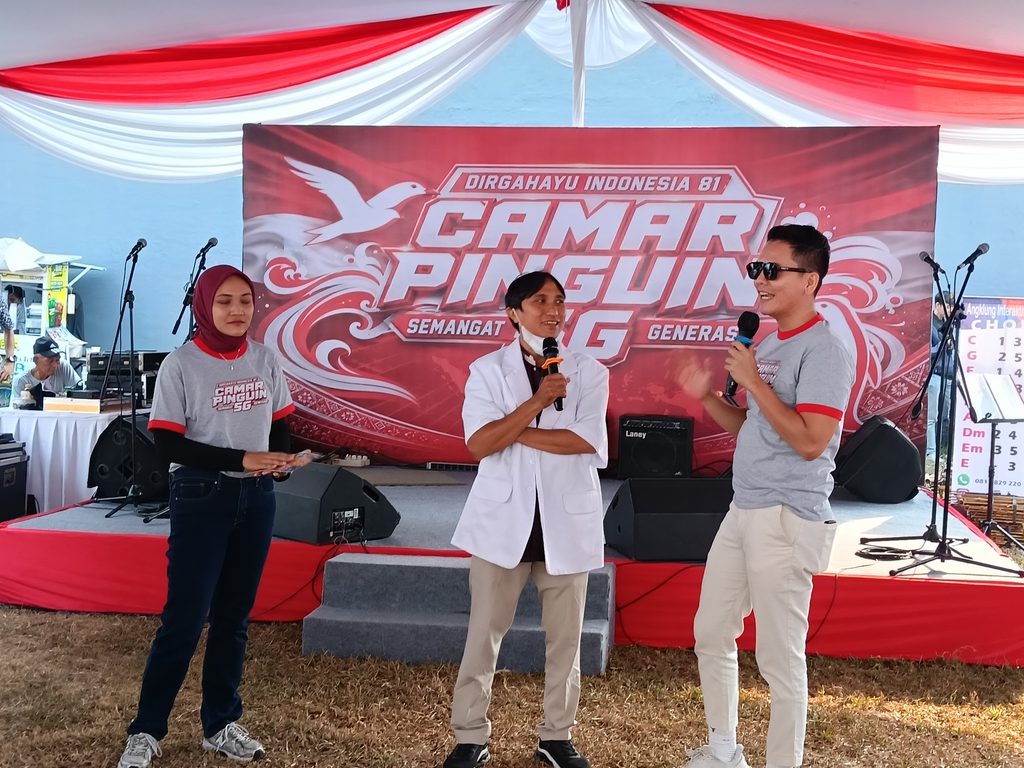
(Hypertension Education by Dr. Iqbal Afdi Ferdiansyah)
From Health Education to Health Screenings
Health knowledge must be accompanied by access to services that allow people to directly check their health status. Therefore, the program at Camar Residen integrates education with health screening and consultation services.
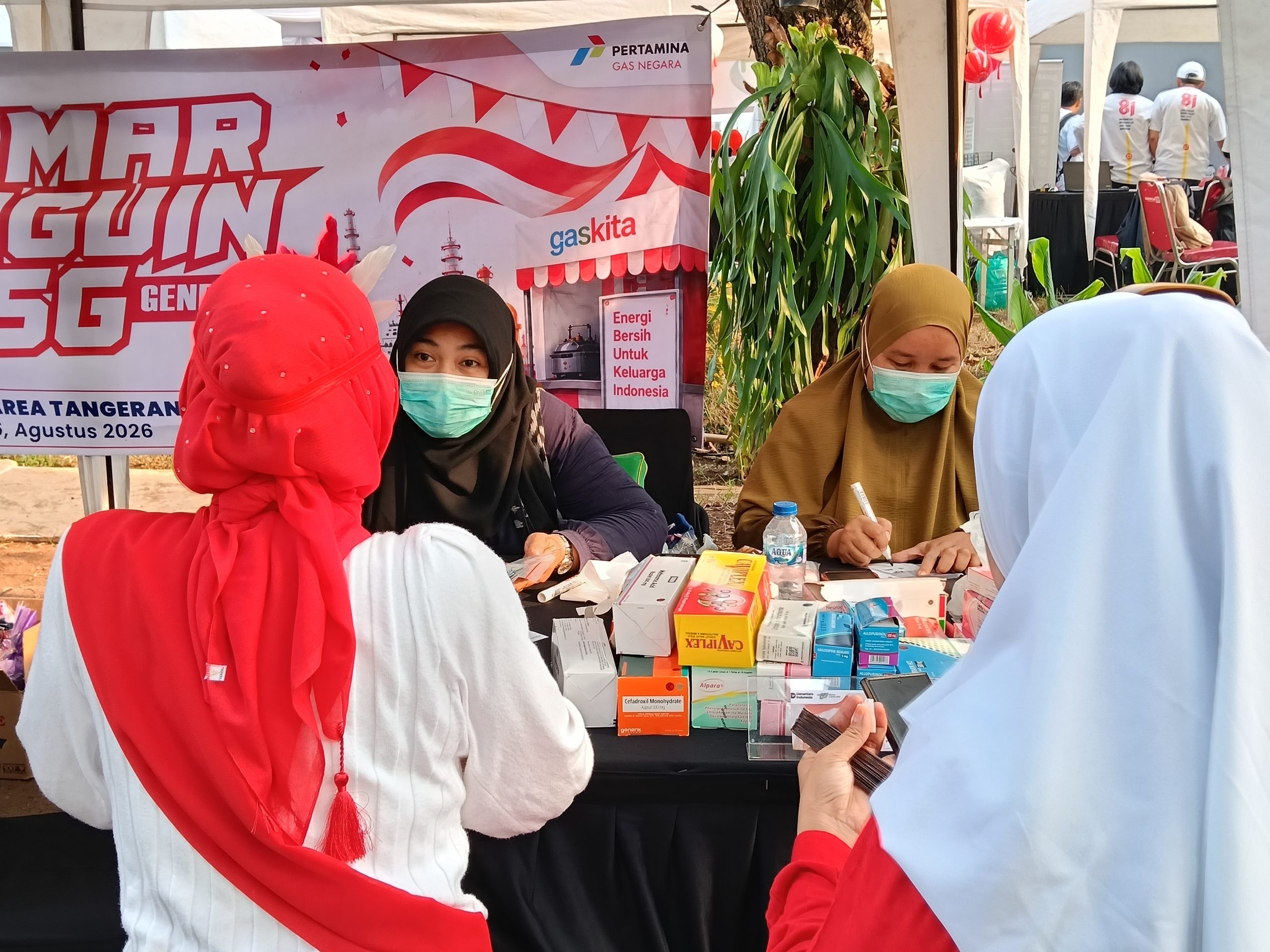
The service process begins with registration, blood pressure checks, consultations with a doctor, and the dispensing of prescriptions by a pharmacist for residents in need. Residents can also undergo metabolic screenings, including blood sugar, uric acid, and cholesterol tests, based on the doctor’s recommendations. The screenings not only focus on blood pressure but also help identify other conditions that require attention and follow-up at advanced healthcare facilities such as community health centers (puskesmas).
The checkups not only focus on blood pressure but also help identify other conditions that require attention and follow-up at advanced healthcare facilities such as community health centers.
The program also reaches children and toddlers through the Supplementary Feeding Program (PMT). In addition to supporting adequate nutritional intake, this initiative provides an opportunity to educate parents on the importance of nutritious and balanced meals for their children’s growth and development. To foster a more participatory atmosphere, the health services also included a fun walk, group exercises, a bicycle-decorating contest for children, a PGN booth, and food stalls. These activities served as a space for community interaction while promoting the message of healthy living as part of daily life.
Reaching Residents Through Health Services
The implementation of the health program at Camar Residen received a positive response from the community. Overall, the program reached 233 residents through 273 health services, ranging from checkups and consultations to other supportive services. Some residents utilized more than one service based on their health needs.
Curative services were among the most utilized, with 106 residents receiving health checkups and consultations. Screenings were also expanded to include metabolic services, which 77 residents participated in, covering blood sugar, uric acid, and cholesterol tests. Meanwhile, attention to children’s health remained a key component of the program through the provision of supplementary food to 50 children and toddlers, while health education sessions were attended by 40 residents.
Through these screenings, several health conditions were identified that residents may not have previously been aware of. There were 21 cases of hypertension, 21 cases of high uric acid, 20 cases of high cholesterol, and 14 cases of muscle pain or myalgia. These findings demonstrate that simple screenings can serve as a first step in identifying health risks before they develop into more serious problems.
For residents requiring further treatment, the screening results serve as the basis for receiving guidance on follow-up examinations or referrals to the nearest community health center. Thus, the services provided do not end with on-site screenings but are part of an effort to encourage the community to better recognize and maintain their health.
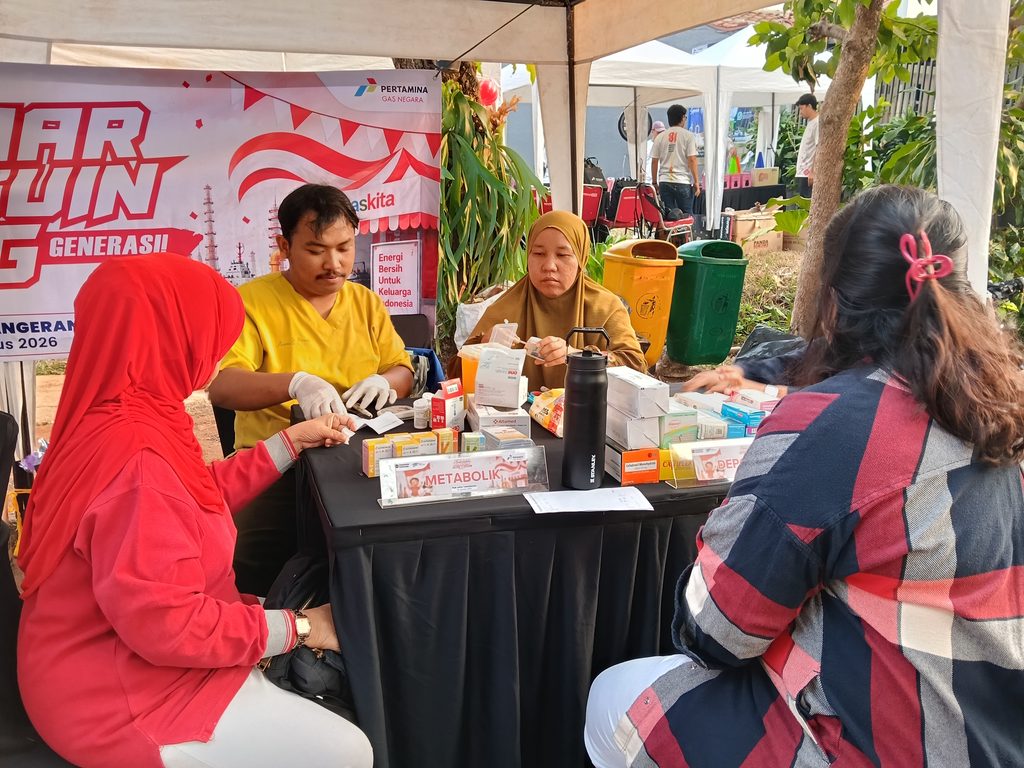
(Documentation of Integrated Health Services Examinations)
Early Detection Starts with Simple Steps
Hypertension may not always present easily recognizable symptoms, but that does not mean its risks can be ignored. One of the simplest steps anyone can take is to check their blood pressure regularly and maintain a healthy lifestyle. For people who have been diagnosed with hypertension, regular checkups and adherence to healthcare professionals’ recommendations are crucial for managing the condition.
This program demonstrates that community-based healthcare services can serve as a gateway to bring screenings and education closer to residents. Previously undiagnosed conditions can be detected earlier, while the community gains the knowledge to begin taking preventive measures.
For Filantra, this experience also highlights the importance of collaboration in expanding community access to healthcare. Through partnerships with companies, institutions, and communities, health programs can be developed not only as screening services but as ongoing efforts to build a community that is more aware, healthier, and capable of early detection of health risks.
References:
Filantra. (2026). Deteksi dini dan layanan kesehatan terpadu bagi warga Camar Residen, Tangerang Selatan. https://www.filantra.org/id/deteksi-dini-dan-layanan-kesehatan-terpadu-bagi-warga-camar-residen-tangerang-selatan/
Lukitaningtyas, D., & Cahyono, E. A. (2023). Hipertensi: Artikel review. Pengembangan Ilmu dan Praktik Kesehatan, 2(2), 100–117.
World Health Organization. (2023). Hypertension. https://www.who.int/news-room/fact-sheets/detail/hypertension