
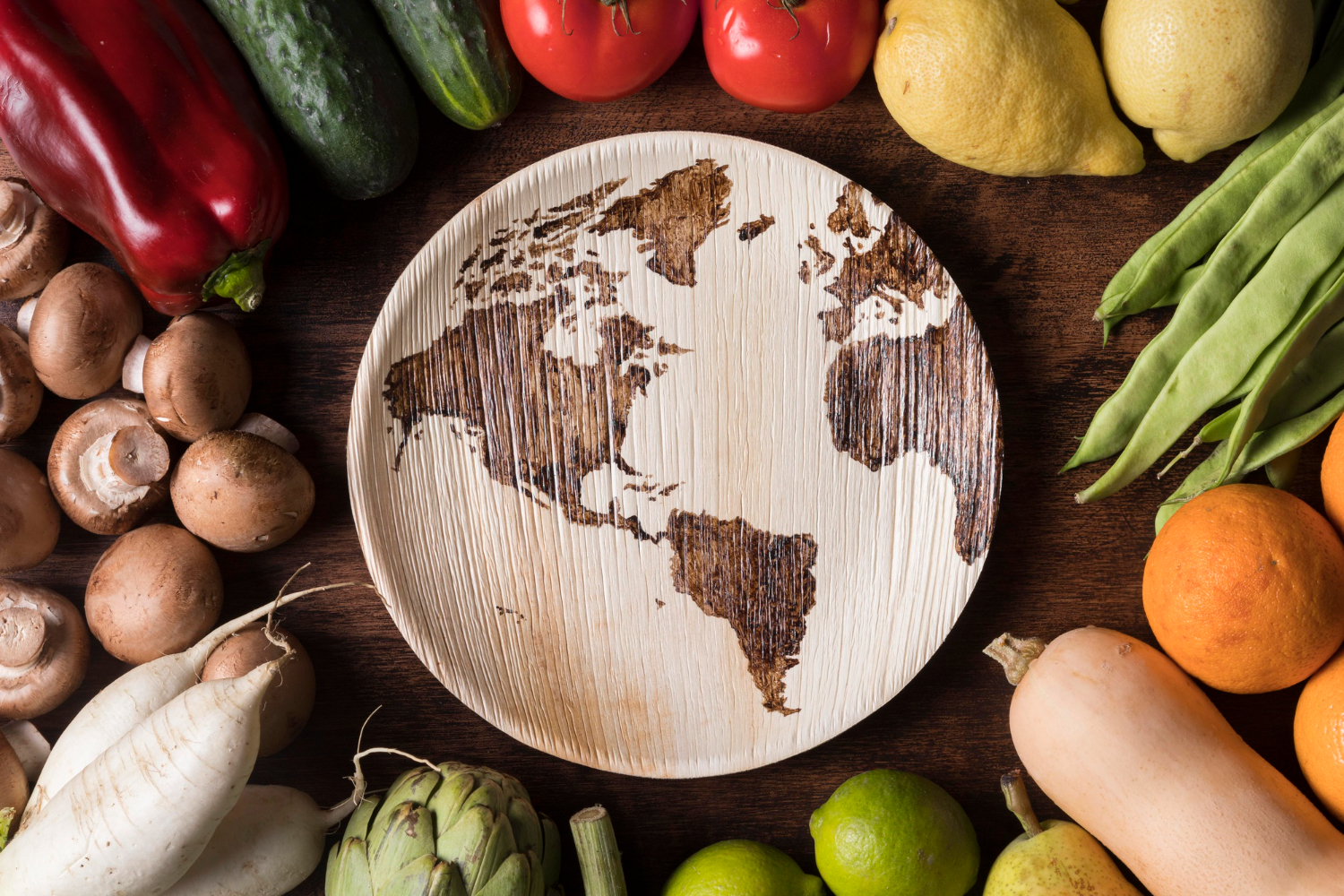
Food Crisis in the Midst of Global Uncertainty
The food crisis is increasingly being felt in society. The rising prices of basic necessities in recent times have forced many families to struggle harder to meet their daily needs. Rice, eggs, chilies, and cooking oil have experienced price fluctuations that directly impact household spending, especially for low-income communities.
Latest data from the National Strategic Food Price Information Center (PIHPS) in May 2026 shows that several food commodities experienced quite significant price increases. Lower-quality rice I increased by 4.47% to IDR 15,200 per kilogram, while lower-quality rice II increased by 5.5% to IDR 15,350 per kilogram. In addition, increases also occurred in onions, eggs, and several other food commodities.
This condition shows that the food issue is no longer merely an economic issue, but has become a social challenge that affects the welfare of society as a whole.
Rising Food Prices Continue to Pressure People’s Lives
The increase in basic food prices has put greater pressure on people’s purchasing power. Many families have begun to reduce consumption spending and adjust food quality so that other needs can still be met.
The Central Statistics Agency (BPS) has also previously warned of the risk of food inflation due to price spikes in several commodities such as chicken eggs and cayenne pepper in various regions of Indonesia. This condition is a concern because food is a basic need directly related to people’s quality of life.
For people with unstable incomes, this situation is certainly a major challenge. When food prices rise while income does not increase, daily needs become increasingly difficult to afford.
Climate Change Worsens the Threat of Food Crisis
In addition to economic factors, climate change is also a major cause of disrupted food stability. Extreme weather such as floods, prolonged droughts, and crop failures have reduced agricultural production in various regions.
Uncertain seasons make it difficult for farmers to determine the right planting and harvesting times. On the other hand, the conversion of agricultural land into development areas also reduces productive land for food production.
If this condition continues without sustainable anticipatory measures, the threat of a food crisis could spread further and increase food insecurity among communities.
Food Security Needs to Be Built Together
In the midst of these challenges, strengthening food security is an important step that must be carried out collectively. The utilization of productive land through urban farming, hydroponics, and community-based food empowerment programs has become a solution widely implemented in various regions.
In addition to helping meet household food needs, this approach also encourages communities to become more independent and productive. Food security is not only about food availability, but also about the ability of society to maintain sustainable access to food amid various challenges.
Collaboration Becomes a Real Step in Facing the Food Crisis
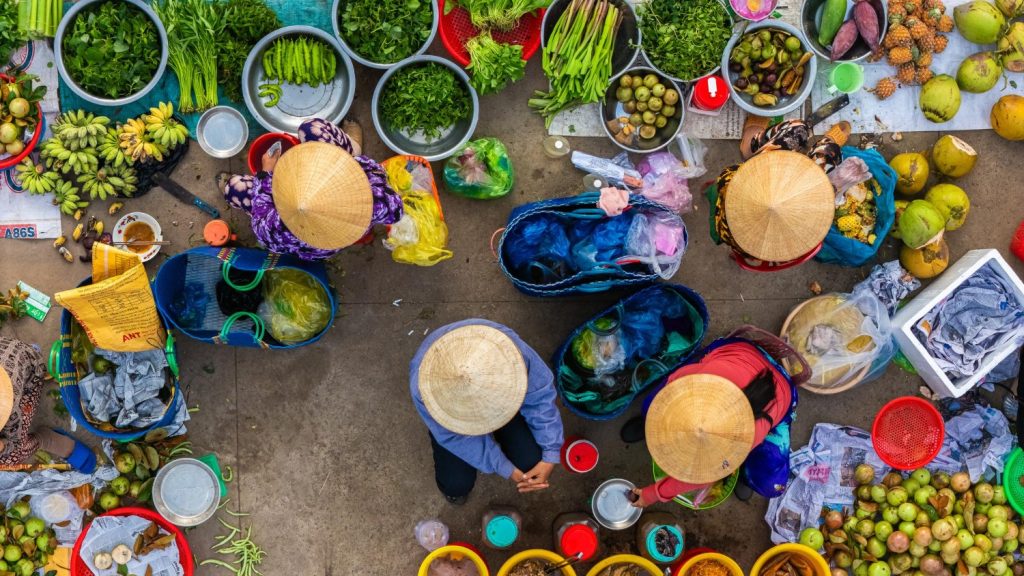
The food crisis is not a problem that can be solved by one party alone. Collaboration between governments, companies, social organizations, and communities is needed to create sustainable and impactful solutions.
As an organization engaged in social development and community empowerment, Filantra continues to support various initiatives focused on strengthening food security and improving community welfare. Through collaboration with various partners, Filantra strives to deliver programs that not only provide short-term assistance but also build community independence in facing social and economic challenges.
After all, protecting food means protecting life. And through strong collaboration, the hope of creating a more resilient, independent, and prosperous society can still be realized.
References
- Badan Pusat Statistik (BPS). 2025. Perkembangan Inflasi Indonesia Tahun 2025. Jakarta: BPS RI.
- Pusat Informasi Harga Pangan Strategis Nasional (PIHPS). 2026. Data Harga Pangan Nasional Mei 2026.
- Food and Agriculture Organization (FAO). 2024. The State of Food Security and Nutrition in the World. Roma: FAO.
- Kementerian Pertanian Republik Indonesia. 2025. Laporan Ketahanan Pangan Nasional. Jakarta: Kementerian Pertanian RI.
- Kementerian Koordinator Bidang Perekonomian Republik Indonesia. 2024. Strategi Ketahanan Pangan Nasional. Jakarta.