
Amidst Extreme Rain Cisarua Facing Disaster and Its Aftermath
Initial Conditions and Causes of the Disaster
In late January 2026, the Cisarua district in West Bandung Regency, West Java, was struck by floods and landslides triggered by continuous high-intensity rainfall. The heavy rain saturating the area caused the soil on the hillsides to become waterlogged, triggering landslides that buried residential settlements. According to monitoring by the BMKG, the West Java region was at the peak of the rainy season at that time, with the potential for heavy rain accompanied by strong winds and an increased risk of subsequent landslides. The geographical condition of Cisarua, which is hilly and has steep slopes, amplified the impact of extreme rain, especially in residential areas located near cliffs and water flows.
Impact Casualties and Residential Damage
This disaster has caused a very serious humanitarian impact. Until the latest data update from the joint SAR team and the BNPB, the evacuation process is still ongoing amidst difficult terrain. A total of 38 deceased victims have been successfully evacuated and taken to the identification post. The search process continues as there are still residents reported missing and suspected to be buried under landslide material. SAR operations are being conducted carefully given the high potential for further landslides. In terms of damage, dozens of houses were heavily damaged and buried by landslides, rendering them uninhabitable. Approximately 113 individuals from 34 families were directly affected and forced to evacuate to safer locations. The loss of homes, valuables, and a sense of security are heavy burdens faced by the survivors.
Challenges in Field Operations
Emergency response efforts faced various technical and natural obstacles. Access to the landslide site was highly limited due to narrow roads blocked by soil material. Additionally, unstable weather prevented heavy equipment from operating at maximum capacity at all times. The safety risk to the rescue team was also a primary concern. Therefore, the evacuation process was carried out in stages, prioritizing the safety of personnel and local residents.
Social Impact and Urgent Needs of Survivors
The floods and landslides not only caused casualties but also significantly impacted the social lives of the community. Many families lost their homes and had to endure life in evacuation shelters with limited facilities. The emerging urgent needs include:
- Availability of food and clean water
- Basic health services and medicines
- Evacuation supplies and psychosocial support The damp and crowded environment in shelters increases the risk of health issues, making healthcare services and sanitation a top priority during the emergency response period.
Humanitarian Response and Multi-Stakeholder Collaboration
Disaster management in Cisarua involved collaboration among various parties, ranging from central and local governments, BNPB, Basarnas, BPBD, TNI-Polri, and volunteers to social organizations and corporate partners. This synergy allowed for a more coordinated and accurately targeted distribution of emergency aid. Cross-sector collaboration is key to ensuring that the humanitarian response does not only focus on the emergency phase but also paves the way for a more sustainable recovery process.
Filantra’s Role in Cisarua’s Response and Recovery
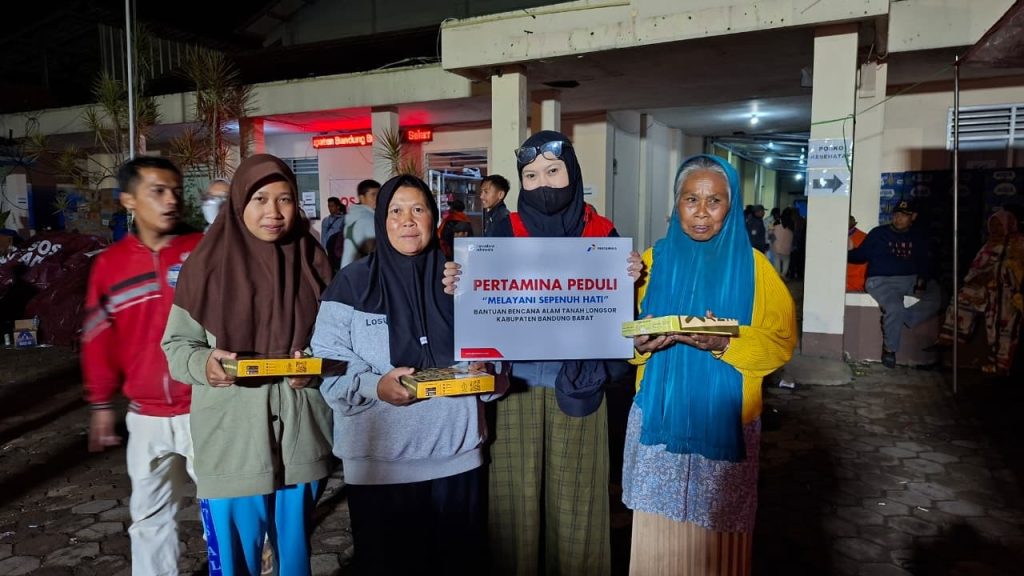
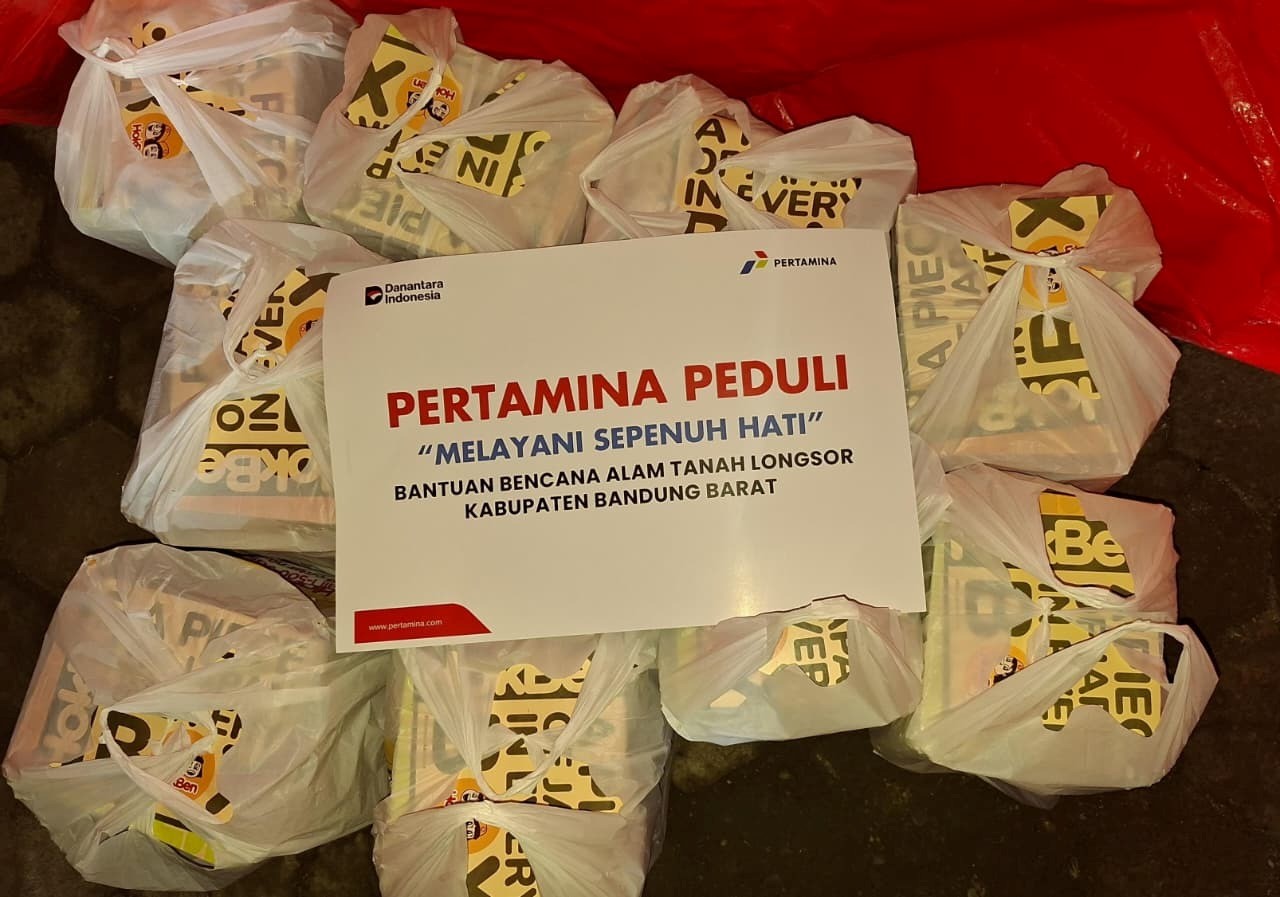
Ready-to-Eat Meal Distribution for Cisarua Landslide Victims in West Bandung Regency by Pertamina and Filantra
Source: Filantra
Ready-to-Eat Meal Distribution for Cisarua Landslide Victims in West Bandung Regency by Pertamina and Filantra. Source: Filantra
In the context of disaster management, Filantra serves as a strategic partner in managing social and CSR programs oriented toward the real needs of affected communities. Filantra supports the response process through field needs mapping, coordination of aid distribution with corporate partners, and monitoring the social impact of the programs implemented. This approach aims to ensure that the aid distributed is not temporary but provides real and measurable benefits for survivors, while supporting the gradual post-disaster recovery process.
Reflections and the Importance of Disaster Mitigation
The floods and landslides in Cisarua serve as a reminder that hydrometeorological disaster risks in Indonesia remain very high. Collective efforts are needed to strengthen community preparedness, early warning systems, and more environmentally friendly spatial planning. Through collaboration between the government, the community, the private sector, and social partners like Filantra, disaster risk reduction and post-disaster recovery can be carried out in a more structured and sustainable manner.
References
ANTARA News. Perkembangan terkini penanganan bencana longsor di Kabupaten Bandung Barat.
Badan Meteorologi, Klimatologi, dan Geofisika (BMKG). Peringatan cuaca ekstrem dan potensi longsor di wilayah Jawa Barat.
Badan Nasional Penanggulangan Bencana (BNPB). Pembaruan data korban dan dampak longsor Cisarua.
Basarnas & Tim SAR Gabungan. Laporan operasi pencarian dan evakuasi korban longsor Cisarua.