Healthcare Service Access Remains a Challenge in Indonesia
According to the latest report from the World Health Organization (WHO), Indonesia’s Universal Health Coverage (UHC) index in 2025 stands at 67, indicating progress in expanding health services, yet gaps in access and affordability remain in various regions. For instance, services for maternal and child health are relatively strong, but the detection and treatment of diseases such as HIV are still far from ideal targets, while family planning also faces service disparities.
Other data shows that the ratio of health workers (doctors, nurses, midwives) in Indonesia increased to approximately 54.2 per 10,000 population in 2023. The government continues to strengthen the governance and distribution of health human resources to address this challenge—a crucial step toward improving access to healthcare, especially in underdeveloped non-urban areas.
The government’s Free Health Check-up (CKG) program also demonstrated a broad impact; as of October 2025, more than 36 million people have utilized this service, highlighting the high public demand for easily accessible basic health screenings.
This condition illustrates that despite improvements in national services, access to basic healthcare, such as routine check-ups and medical consultations, remains an urgent need in many regions. This reality serves as an important background for the implementation of CSR-based free health service programs that are relevant to community needs.
Free Health Services as a Response to Real Needs
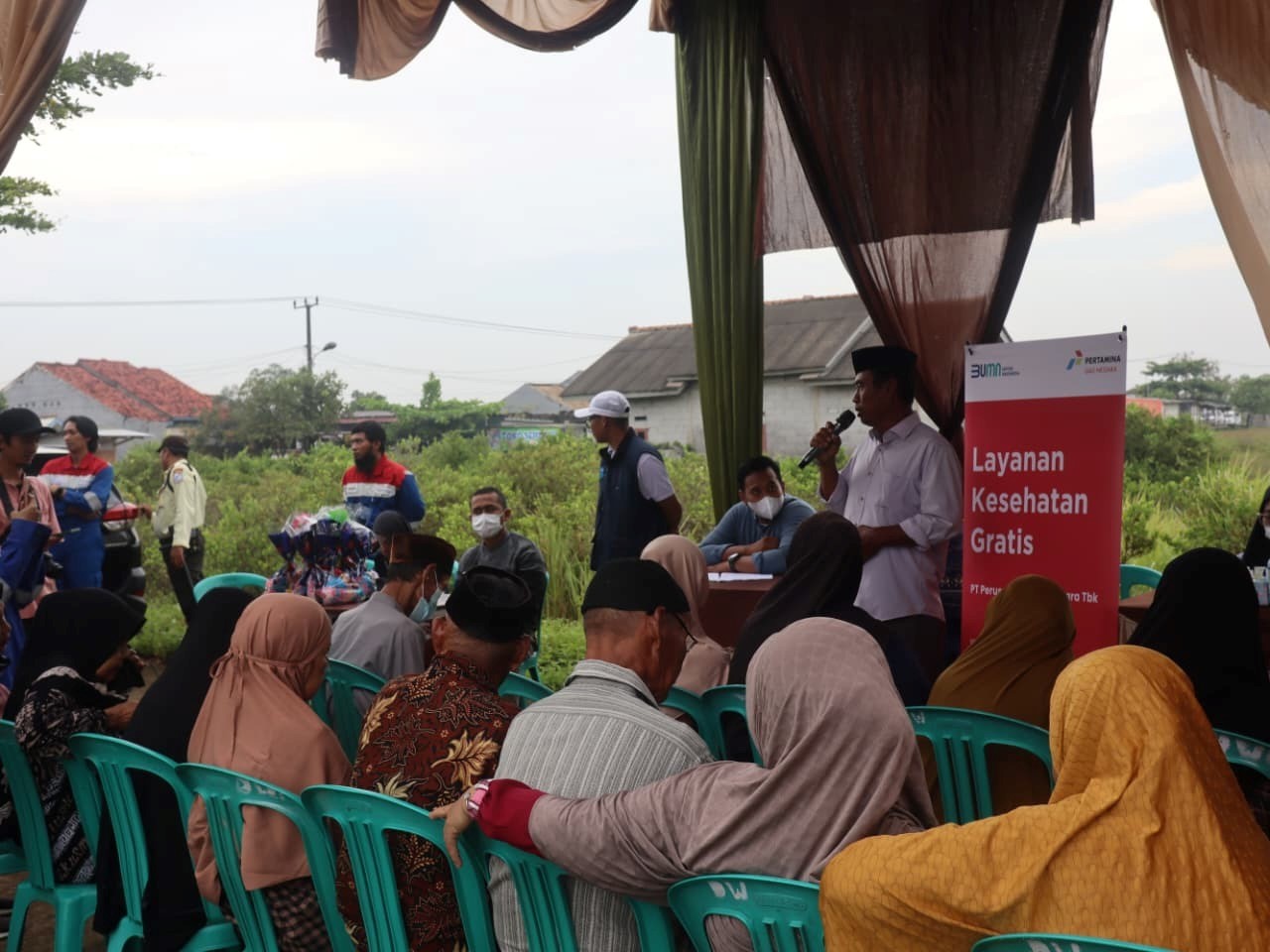
In the context of these challenges, the free health services organized by corporate partners together with Filantra are designed to address basic medical access needs that remain an obstacle for a large portion of the community, including those living far from health facilities or facing cost and time constraints.
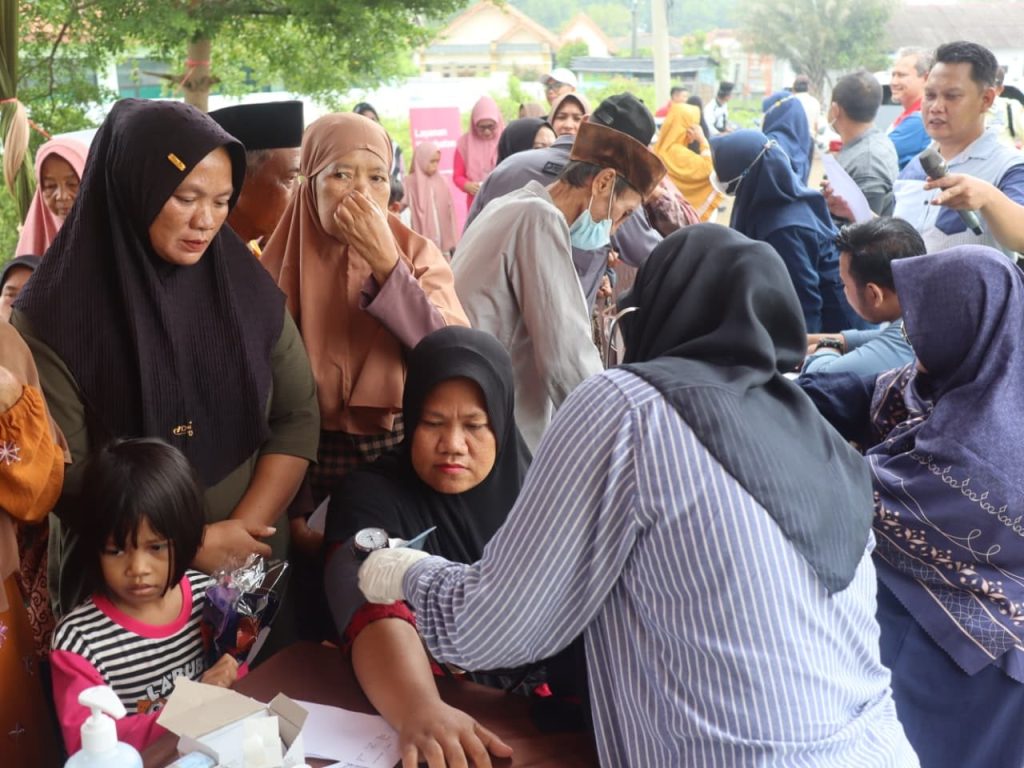
This program provides basic health screenings and direct medical consultations within the community, enabling people to obtain medical services without facing access or financial barriers.
Filantra’s Role in Planning and Executing CSR Programs
Filantra is trusted by corporate partners to serve as both a CSR consultant and implementation partner in designing and running these free health service programs. This role includes designing program concepts, coordinating field implementation, and monitoring and evaluating impact, ensuring the program aligns with social objectives and sustainability principles. This approach ensures that CSR programs are not just momentary social activities but answer real community needs in a precise and measurable way.
Collaboration to Increase the Impact of Free Health Service Programs
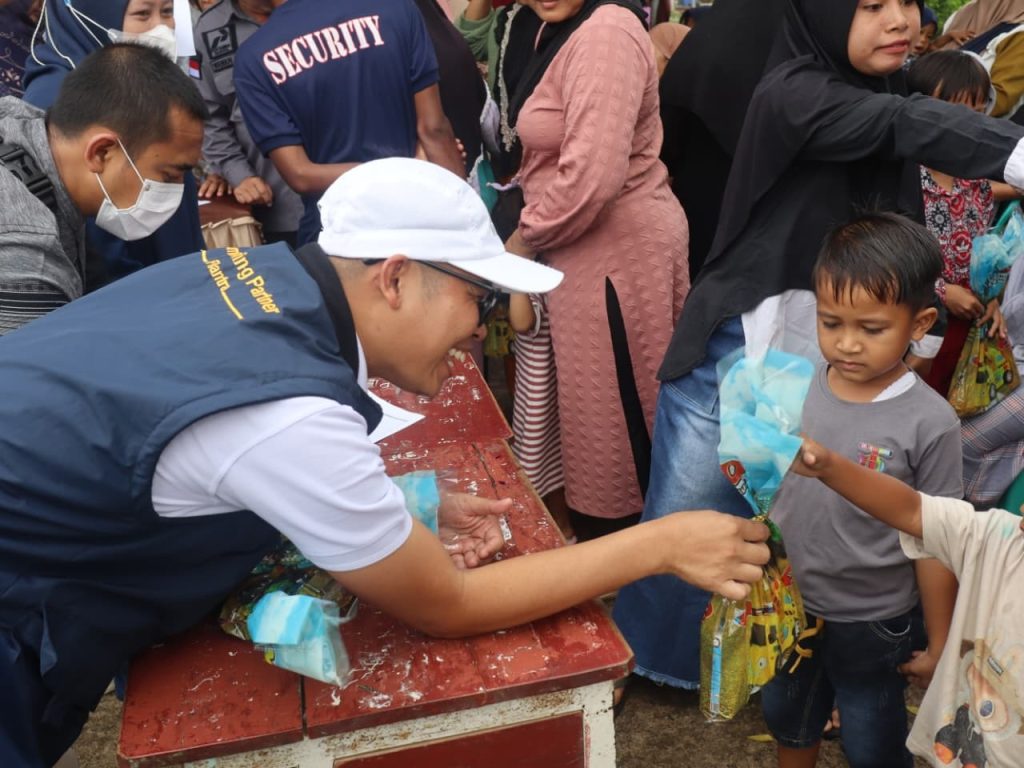
This free health service program is the result of strategic collaboration between corporate partners, Filantra, professional healthcare workers, and local communities. This collaboration is built on a shared awareness that access to proper healthcare remains a challenge for some, especially in densely populated and vulnerable residential areas.
Through the synergy of resources, expertise, and networks from each party, the program can be effectively designed and executed. Corporate partners support the funding and sustainability of the program, healthcare workers provide direct medical services, and the local community plays an active role in mobilizing and assisting residents. As a result, free health services can reach those truly in need, ranging from basic health screenings and medical consultations to health education. For corporate partners, this collaboration is not only an expression of social care but also part of a Corporate Social Responsibility (CSR) commitment that is relevant to the community’s actual needs. This program also reflects the company’s efforts in supporting inclusive social development aligned with sustainability principles.
A Professional Approach to Health Service Program Management
Filantra believes that social programs, including free health services, must be managed professionally and structurally to provide optimal impact. Every program stage is designed systematically, starting from mapping community health needs and activity planning to coordinating with medical personnel and field implementation. During execution, health service activities are equipped with comprehensive documentation, beneficiary data recording, and cross-party coordination to ensure smooth operations and accurate targeting. Furthermore, Filantra conducts post-activity evaluations as a basis for measuring impact and improving future programs.
This approach helps ensure that CSR programs are not merely ceremonial but provide real benefits to the community. On the other hand, professional management allows corporate partners to be transparently accountable to stakeholders while strengthening public trust in the social initiatives undertaken.
Strategic Partnerships for Better Health Access
Through its role as a strategic partner, Filantra continues to open spaces for collaboration with companies and institutions wishing to contribute to improving community health access. With experience in managing social and CSR programs, Filantra is ready to assist partners in designing and implementing initiatives that are impactful, measurable, and sustainable.
References
Laporan survei Cek Kesehatan Gratis (CKG) lebih dari 36 juta masyarakat telah memanfaatkan program CKG di Indonesia hingga Oktober 2025.
WHO & World Bank Group. Indonesia moves forward on universal health coverage while addressing remaining gaps menunjukkan Indeks Cakupan Layanan UHC Indonesia 67 pada 2025.
WHO Indonesia. From data to delivery: strengthening health workforce governance rasio tenaga kesehatan meningkat menjadi 54,2 per 10.000 penduduk.