
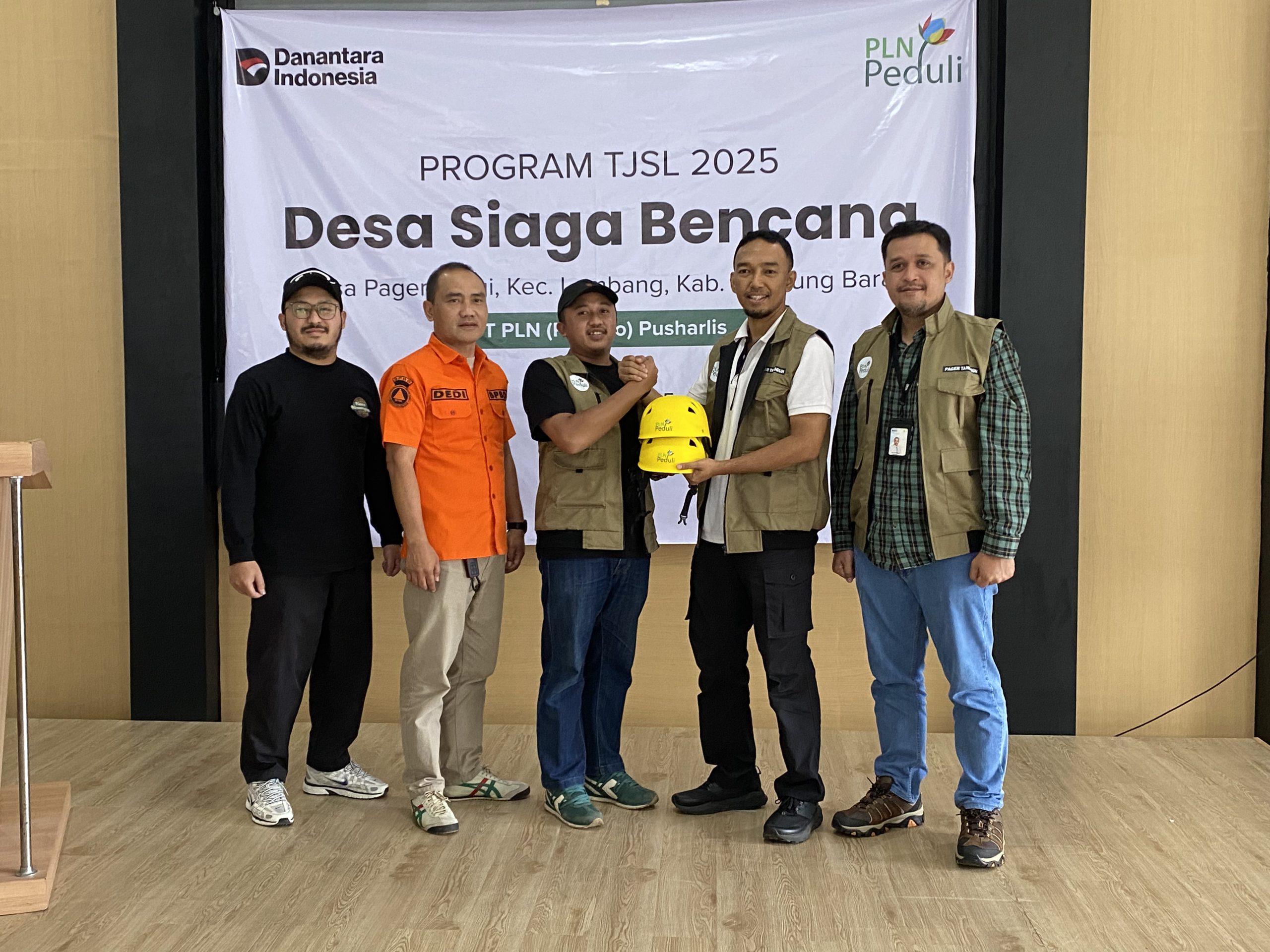
PLN Pusharlis and Filantra Strengthen Pagerwangi Disaster-Resilient Village Through Community-Based Preparedness and Mitigation Programs in Lembang
Partner : PT PLN Pusat Pemeliharaan Ketenagalistrikan
Industry : Electricity Sector
Objective : The Disaster Preparedness Village Program in Pagerwangi Village, Lembang Sub-district aims to support disaster risk reduction efforts by strengthening community preparedness, enhancing village institutional capacity, providing safety facilities and infrastructure, and establishing standardized emergency response systems and procedures to develop a resilient and responsive community capable of facing potential disasters in a sustainable manner.
Challenges :
Based on assessment findings and the geographical conditions of Pagerwangi Village, which is located in a disaster-prone area, several key challenges in disaster risk reduction were identified as follows:
- Suboptimal evacuation routes and safety signage to guide communities during emergency situations.
- Limited availability of safe and adequate evacuation assembly points for affected residents.
- Low levels of community capacity and preparedness in responding to potential earthquakes and landslides.
- Absence of a structured village disaster preparedness institution with clearly defined roles and responsibilities.
- Limited availability of supporting facilities and infrastructure for effective and timely emergency response.
- Lack of a standardized Village Emergency Response Standard Operating Procedure (SOP) as a common reference for disaster management.
- Steep and hilly geographical conditions that increase landslide risks and complicate evacuation processes during disasters.
- High population density and active community activities in hazard-prone areas, increasing potential impacts on infrastructure and public services.
Solutions :
To address these challenges, the Disaster Preparedness Village Program is implemented through integrated interventions focusing on capacity building, institutional strengthening, and disaster risk reduction infrastructure development, including:
- Establishment of the Pager Tangguh Disaster Preparedness Group (KSB) and development of a standardized Emergency Response SOP as a village-level disaster management guideline.
- Implementation of disaster mitigation training, disaster management training, first aid (P3K) training, and earthquake evacuation simulation exercises for community members and KSB participants.
- Provision of disaster preparedness equipment and infrastructure, including first aid kits, folding stretchers, emergency helmets, flashlights, KSB vests, disaster preparedness bags, and digital-based mitigation support tools.
- Installation of evacuation route signage, construction of biopore infiltration holes, and tree planting in landslide-prone areas as part of ecosystem-based disaster mitigation.
- Development of a disaster mitigation website and Sesar Lembang WebGIS, accompanied by social media and branding training for KSB members to support effective digital dissemination of disaster-related information.
Program Impact :
The implementation of this program has generated significant positive impacts in strengthening community preparedness and enhancing community-based disaster risk reduction systems in Pagerwangi Village, including:
- Establishment of the Pager Tangguh Disaster Preparedness Group (KSB) as an active community-based disaster management institution.
- Increased community knowledge and preparedness capacity, as reflected in pre-test and post-test evaluation results across training activities.
- Availability of disaster preparedness infrastructure, evacuation routes, and emergency SOPs that improve the speed and coordination of disaster response.
- Increased environmental awareness through biopore development and tree planting in landslide-prone areas.
- Strengthened collaboration among the community, village government, BPBD, Karang Taruna, and PT PLN (Persero) Pusat Pemeliharaan Ketenagalistrikan (Pusharlis).
SDGs Relevance :
The program contributes to the achievement of the Sustainable Development Goals (SDGs), particularly:
- SDG 3 – Good Health and Well-Being
Through first aid training, earthquake preparedness training, and evacuation simulations to enhance emergency response capacity. - SDG 11 – Sustainable Cities and Communities
Through the establishment of KSB, SOP development, evacuation route installation, disaster simulations, and provision of preparedness infrastructure. - SDG 13 – Climate Action
Through landslide mitigation activities, tree planting, biopore construction, and the development of WebGIS and a disaster mitigation website to strengthen community climate adaptation capacity.
When Preparedness Becomes a Village’s Strength
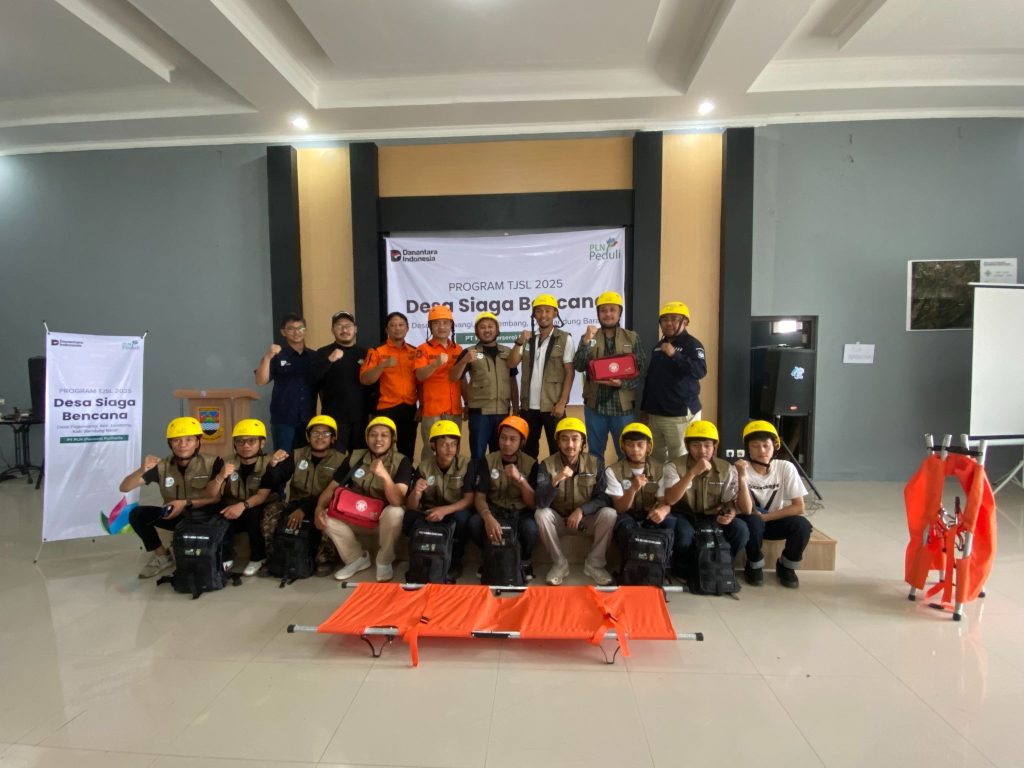
The Lembang area, located near the active Sesar Lembang fault system, has a high level of disaster risk that requires strong and continuous community preparedness. Through the Disaster Preparedness Village Program in Pagerwangi Village, efforts have been undertaken to strengthen community capacity, develop preparedness systems, and integrate environmental and digital-based disaster mitigation approaches.
Filantra provides collaboration opportunities for institutions, companies, and communities to contribute jointly to strengthening disaster-resilient villages through program support, capacity building, and sustainable disaster risk reduction initiatives at the community level.