
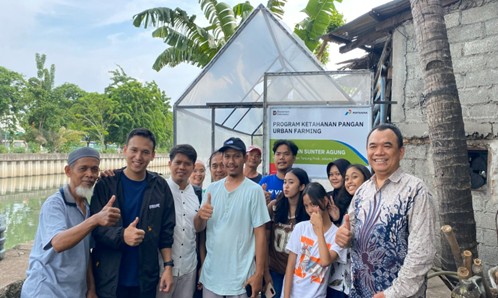
PT Pertamina and Filantra Transform 68 Locations in Jakarta into Productive Urban Farming Areas
Partner: PT Pertamina (Persero)
Industry: Oil and Gas (Upstream and Downstream Energy Sector)
Objective: The Urban Farming Facilities and Infrastructure Assistance Program aims to strengthen food security among low-income communities through the provision of productive, modern, and environmentally friendly hydroponic systems across various areas of Jakarta. In addition, this program is expected to raise public awareness regarding the importance of utilizing limited land through sustainable urban agriculture concepts, while also opening opportunities for economic empowerment based on plant cultivation outcomes. Through the implementation of this program, it is expected to create a greener, more productive environment, while also encouraging food independence and sustainable community welfare.
Challenges:
In the implementation of the Urban Farming Facilities and Infrastructure Assistance Program for Low-Income Communities, several challenges need to be considered to ensure the program runs optimally and sustainably, including:
- Limited planting land in densely populated areas requiring adjustments in hydroponic system design and installation placement.
- Limited knowledge and experience among communities regarding independent hydroponic system management.
- The need for continuous assistance and monitoring to ensure the provided facilities are utilized effectively and sustainably.
- Distribution and installation processes across various locations in Jakarta requiring effective coordination with communities and related stakeholders.
- Challenges in maintaining consistent plant care to ensure productive and high-quality harvest results.
Solutions:
Through the Urban Farming Facilities and Infrastructure Assistance Program for Low-Income Communities, various solutions are presented to address land limitations and strengthen urban food security needs. The implemented solutions include:
- Distribution of complete hydroponic installation systems across 68 locations in six administrative areas of DKI Jakarta as productive urban farming facilities.
- Utilization of small and unused land areas within communities into green spaces with economic and environmental benefits.
- Provision of plant seeds and supporting equipment to ensure sustainable independent cultivation activities.
- Training and education for communities on hydroponic system management, plant care, and harvest utilization.
- Implementation approaches tailored to each area’s characteristics to ensure optimal and effective utilization of assistance.
- Strengthening collaboration between program implementers, communities, and relevant stakeholders to ensure the sustainability of urban farming programs for beneficiaries.
Program Impact:
The implementation of the Urban Farming Facilities and Infrastructure Assistance Program for Low-Income Communities has generated various positive impacts for both society and the environment in the program areas, including:
- Creation of productive urban farming areas in 68 locations across DKI Jakarta through the utilization of previously unused land.
- Increased community knowledge and skills in independently managing hydroponic systems through training and mentoring activities.
- Greater public awareness of the importance of local food security and environmentally friendly modern agriculture practices.
- Formation of greener, more organized, and productive residential environments.
- Encouragement of community self-sufficiency in household food needs through hydroponic cultivation results.
- Establishment of urban farming pilot centers across various administrative regions of DKI Jakarta serving as education and empowerment spaces for surrounding communities.
SDGs Relevance:
The Urban Farming Facilities and Infrastructure Assistance Program for Low-Income Communities is aligned with several Sustainable Development Goals (SDGs), including:
- SDGs 1 – No Poverty
Supporting the empowerment of low-income communities through productive facilities that improve household economic welfare. - SDGs 2 – Zero Hunger
Strengthening community food security through hydroponic vegetable cultivation that enables independent and sustainable food production. - SDGs 11 – Sustainable Cities and Communities
Encouraging the transformation of limited land into productive green spaces that support a more livable and sustainable urban environment. - SDGs 13 – Climate Action
Supporting environmentally friendly agricultural practices through hydroponic systems that use water more efficiently and reduce chemical usage.
In the Middle of the City, Green Spaces and Hope Begin to Grow
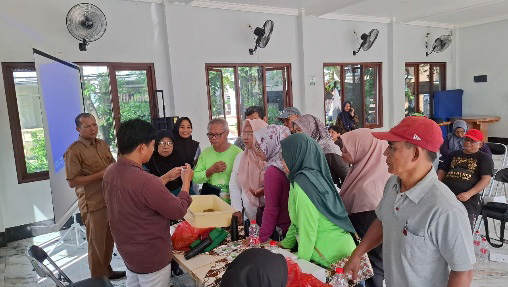
Limited land in urban areas is not a barrier to creating productive and sustainable environments. Through the Urban Farming Facilities and Infrastructure Assistance Program for Low-Income Communities, tangible support is provided through the installation of hydroponic systems across various areas of DKI Jakarta to strengthen food security while also creating green spaces in densely populated settlements.
This program becomes a concrete step in encouraging communities to optimize limited land through modern, environmentally friendly, productive, and sustainable agricultural practices. Together with Filantra, this social collaboration is expected to create a greener environment, food independence, and deliver both economic and social benefits to the wider community.