
Sumatra Recovery Emergency: Environmental Crisis and Disaster Management Innovation
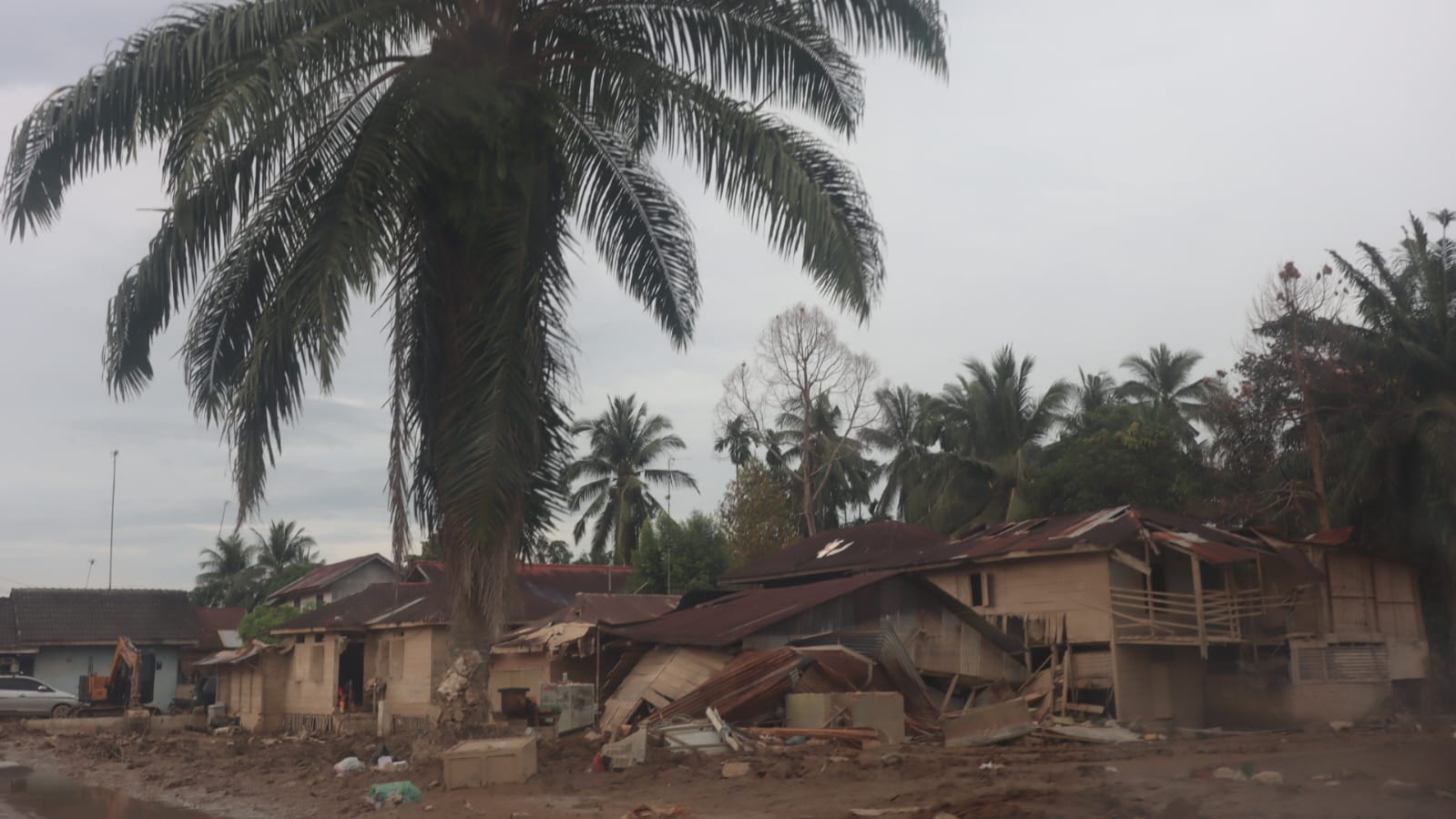
Floods and landslides that hit the provinces of Aceh, North Sumatra, and West Sumatra in late November–December 2025 have caused extraordinarily widespread impacts. Based on data updates as of December 30, 2025, the death toll has reached 1,141 people, approximately 163 individuals remain missing, and data shows more than 350,000 residents have been displaced. In almost every affected district/city, public services and infrastructure experienced significant disruptions during the initial recovery process. These events were triggered by extreme rainfall recorded by BMKG. Several areas in North Sumatra experienced daily rainfall exceeding 300 mm at the peak of the flood events, amplified by local atmospheric dynamics and phenomena such as tropical cyclones forming in the Strait of Malacca. Rain of this intensity accelerates runoff flow and causes major rivers to overflow. However, extreme rainfall was not the sole cause. Weak ecosystem conditions due to forest degradation also magnified the risks and impacts of the disaster. Analysis shows that throughout 2024, net forest damage in the three affected provinces reached 24,877 hectares, with Aceh, North Sumatra, and West Sumatra accounting for the majority of that figure. This number indicates a faster trend of forest cover loss compared to the previous five years, while simultaneously weakening natural water absorption reserves essential for dampening runoff.
Disaster Management Challenges in the Sumatra Region
Disaster management in Sumatra is not merely about emergency response. Geographical complexity, differences in the socio-economic conditions of communities in each region, and diverse patterns of vulnerability make a single approach often inadequate. An effective response requires a thorough understanding of community character, local resources, and disaster risk distribution patterns in each area. Furthermore, recurring disasters create vulnerable systems that are structurally embedded in many communities vulnerabilities that cannot be addressed by emergency response alone. When the post-disaster recovery phase is not designed with a sustainable focus, communities risk facing the same impacts in a repeating cycle.
Social Mapping as a Basis for Targeted Response
Social mapping serves as one of the essential foundations for designing disaster responses that are truly targeted. Through mapping, various dimensions can be identified, such as vulnerable groups, patterns of economic dependence, social relations, and the priority needs of affected communities. This data helps prevent intervention errors that do not align with the local context. With social mapping, the approach is no longer general but based on evidence and real needs. This approach strengthens the role of local communities as active partners in the recovery process, rather than just aid recipients.
From Emergency Response Toward Sustainable Recovery
Evacuation and logistics assistance in the early phase of a disaster are vital steps. However, the reality of medium and long-term recovery requires strategies that go beyond that. Recovery includes the rehabilitation of the local economy, increasing community capacity in disaster preparedness, and the restoration of damaged ecosystems. A long-term oriented approach helps reduce the risk of recurring vulnerability cycles. Sustainable recovery is not just about returning to previous conditions but strengthening community resilience so they are better prepared to face future challenges.
The Role of Filantra in Disaster Management
In this context, Filantra holds a strategic role as a connector and facilitator of collaboration among stakeholders. Filantra serves as a strategic partner accompanying the community in disaster management based on social mapping and contextual data. Filantra encourages disaster management programs not to stop at emergency aid but to continue toward community capacity building and sustainable recovery. The participatory approach adopted prioritizes the active role of the community in the recovery process, ensuring that the value of assistance is not temporary but has a long-lasting impact.
The Importance of Collaboration and Transparency
Disaster issues are multilateral matters that require cross-sector collaboration: government, the business world, community groups, academics, and philanthropic institutions. Filantra Kebaikan Indonesia views that effective collaboration must be built on the principles of transparency and accountability. Openness in program planning, implementation, and reporting not only strengthens public trust but also improves the quality of interventions. Transparency is an essential asset in building trust among stakeholders and encouraging collective learning to improve future strategies.
Inviting Companies to Contribute Effectively
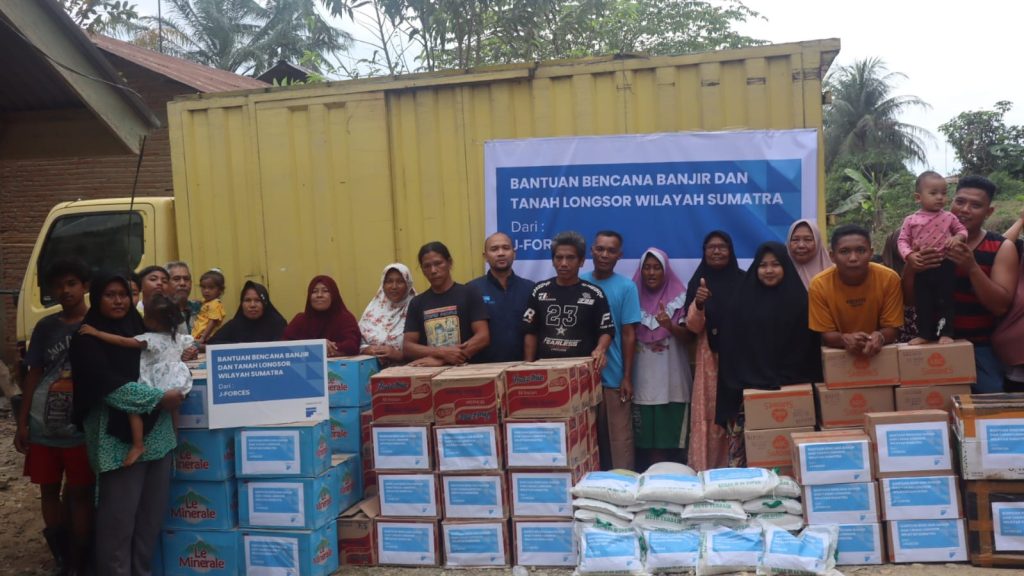
Effective disaster recovery requires support from all parties, including the private sector. The involvement of companies in disaster management and recovery themes is not just a form of social responsibility but also part of a planned sustainability commitment. Through a data-driven approach, social mapping, and strong program governance, collaboration between companies and organizations like Filantra can produce impacts that are more measurable and sustainable.