
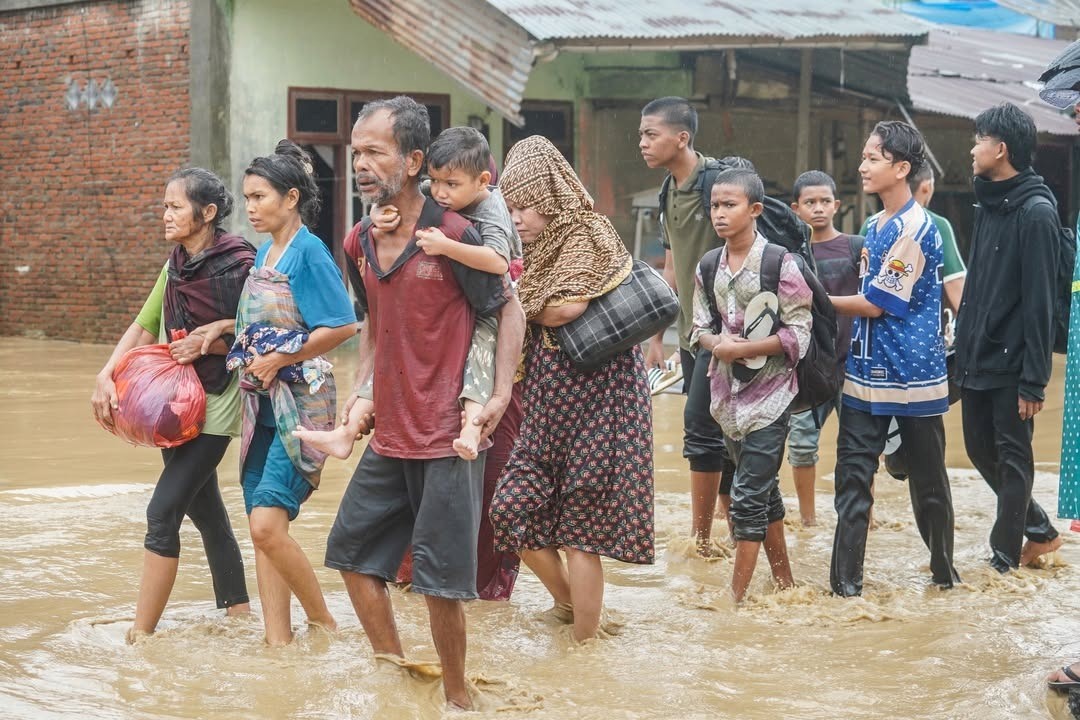
Post-Disaster Recovery as a Long-Term Commitment for Sustainable Impact
Indonesia is one of the countries with a very high risk of natural disasters. Based on the World Risk Index 2025, Indonesia ranks third among countries with the highest disaster risk in the world, with a risk score of 39.80. This risk indicates the extent to which the Indonesian people are exposed to various threats such as floods, landslides, earthquakes, and extreme weather. National data shows that the intensity of disaster events in Indonesia remains very high to this day. Throughout 2025, the National Disaster Management Authority (BNPB) recorded more than 3,100 disaster events in various regions of Indonesia. The majority of these are hydrometeorological disasters related to extreme rainfall and climate change.
Recently, floods and landslides on Sumatra Island caused by extreme rainfall and tropical cyclones resulted in hundreds of casualties and affected millions of people. Beyond the loss of life and displacement, the economic losses and recovery needs are estimated to be immense, requiring tens of trillions of rupiah for the reconstruction of infrastructure and housing.
Challenges in the Post-Disaster Recovery Process
Following the emergency response phase, real challenges emerge across various sectors of community life:
- Damage to housing infrastructure, roads, public facilities, and schools.
- Disruption of livelihoods, particularly in the agricultural and MSME sectors.
- Psychosocial issues resulting from the loss of homes and trauma.
- Need for basic services such as clean water, electricity, and healthcare.
A recovery process that is one-off or merely temporary assistance is often insufficient to address these challenges holistically. Therefore, a long-term approach focused on rehabilitation and empowerment becomes crucial.
Long-Term Approach for Sustainable Recovery
A long-term approach to recovery includes not only fulfilling immediate needs but also efforts to increase community capacity to be more resilient to disaster risks in the future. This includes:
- Construction of disaster-resilient infrastructure.
- Enhancement of economic skills.
- Mental health support.
- Sustainable access to education.
With this approach, assistance is not merely temporary but becomes an investment in community resilience.
Filantra’s Role in Supporting Community Recovery
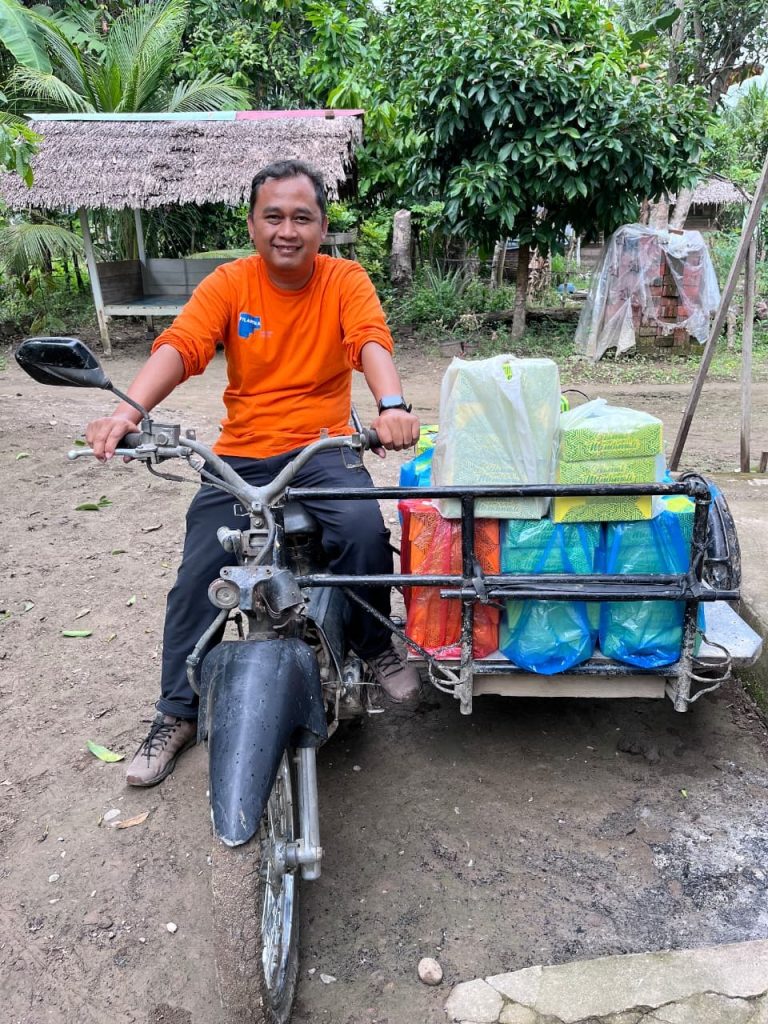
As an organization engaged in social program management and CSR, Filantra is committed to supporting the post-disaster recovery process sustainably. Filantra believes that the success of a humanitarian program is measured not only by the speed of aid but by the long-term impact felt by the community.
Filantra prioritizes a community-based approach, collaboration with corporate partners and local stakeholders, and integrated programs ranging from emergency response to rehabilitation.
Collaboration as the Foundation of Humanitarian Programs
Post-disaster recovery is not a task for a single party. Collaboration between the private sector, social organizations, the government, and the community is essential to create a broader and more sustainable impact. Filantra serves as an implementation partner that bridges community needs with resources from companies through CSR mechanisms.
This collaboration ensures that aid can be distributed accurately, measurably, and in alignment with the sustainability commitments of the partners.
Transparency and Program Impact Measurement
Every recovery program must be equipped with impact indicators and transparent reporting. This not only increases accountability but also serves as an evaluation basis for developing future programs. Filantra ensures that every intervention has a clear impact measurement system, so the benefits can be felt by the community and accounted for to the partners.
Toward Stronger Social Resilience
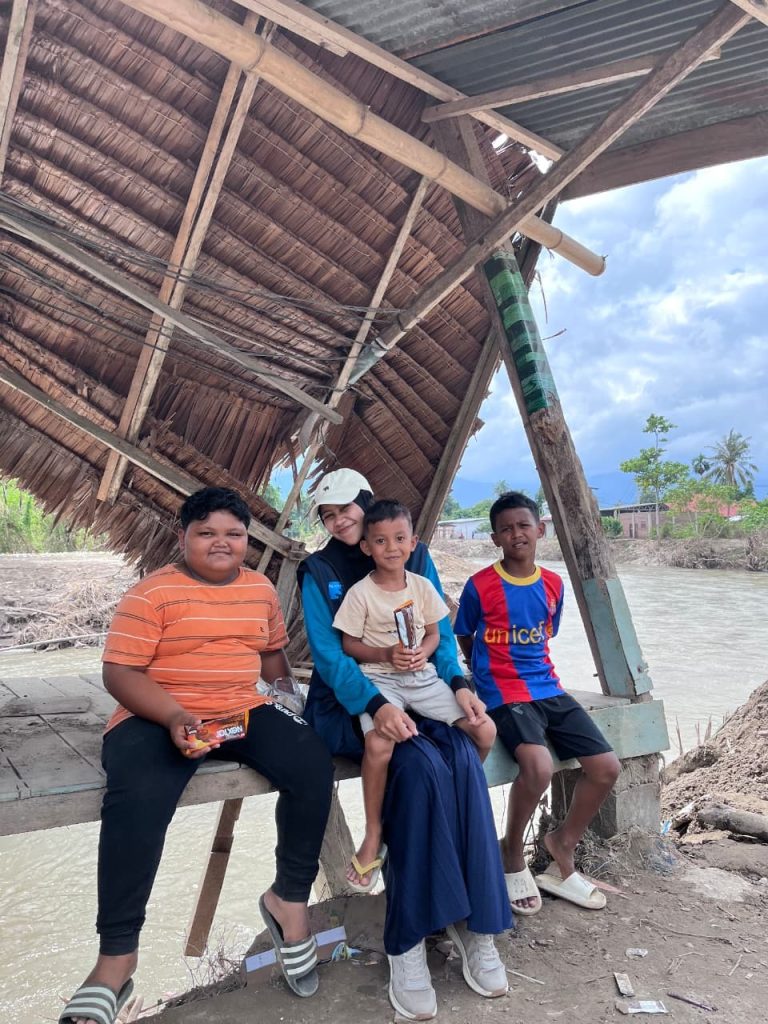
Post-disaster recovery is a long process that requires time, coordination, and collective commitment. With a collaborative long-term approach, humanitarian programs can contribute to building a community that is more resilient and ready to face future challenges.
Filantra is committed to and opens spaces for collaboration for companies, institutions, and organizations that wish to contribute significantly to post-disaster recovery programs. With experience in managing social and CSR programs, Filantra is ready to assist in designing and implementing initiatives that are impactful, measurable, and sustainable.
References
Asia Pacific Solidarity Network. BNPB records 1,713 natural disasters in Indonesia by June 2025
Badan Nasional Penanggulangan Bencana (BNPB). Perkembangan Situasi dan Penanganan Bencana di Indonesia Tahun 2025 dan Awal 2026
The Jakarta Post. Yearender: Climate extremes expose Indonesia’s disaster vulnerabilities 2025
www.filantra,org