
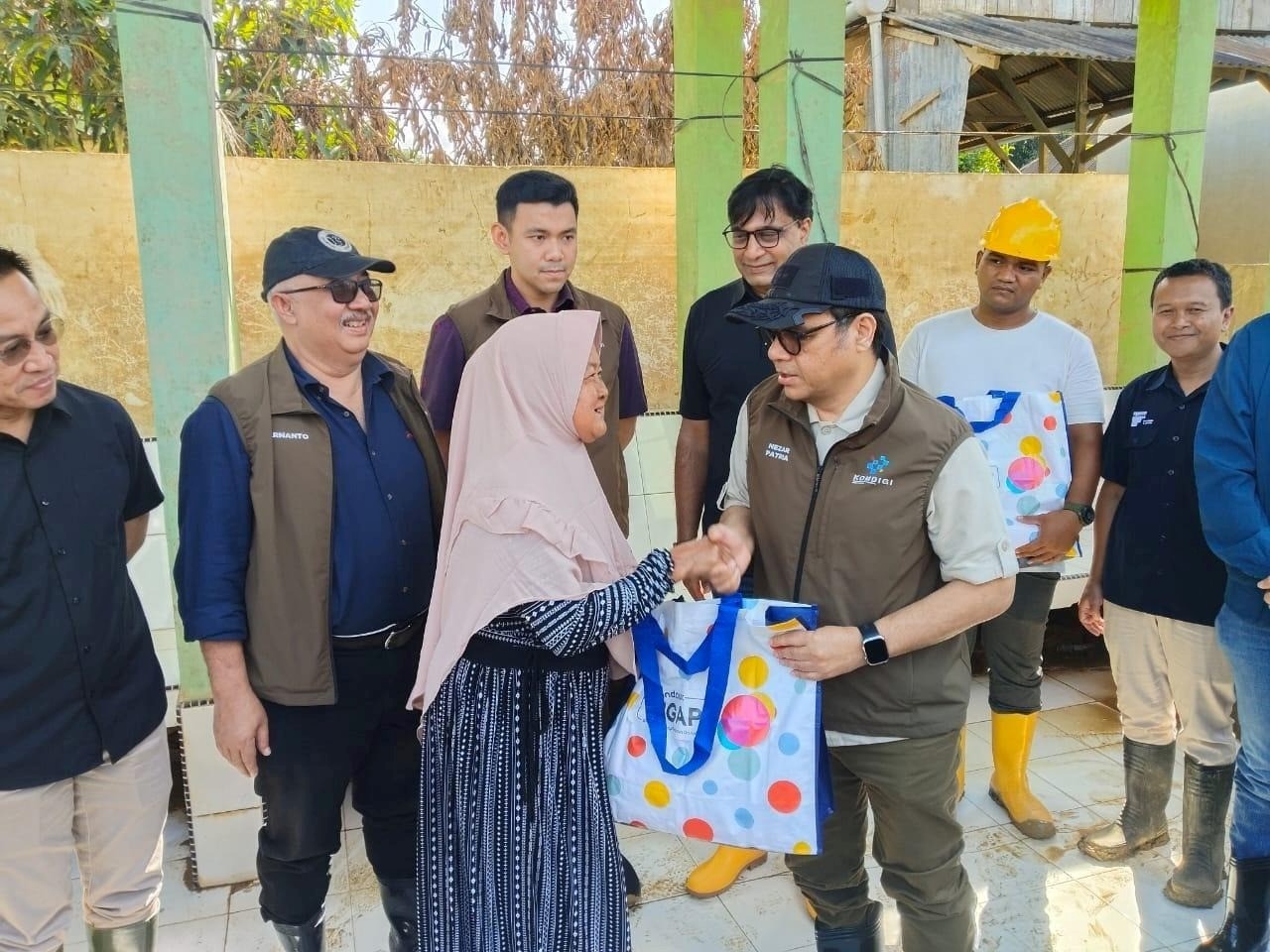
Maintaining Access to Food and Clean Water for Sumatra Flood Survivors Through Filantra and Indosat Ooredoo Hutchison Collaboration in Emergency Response
Partner : Indosat Ooredoo Hutchison
Industry : Telecommunications and Digital Services
Objective : The INDOSAT SIGAP Program aims to meet the food needs of affected communities during the emergency response period, provide access to clean water in priority locations, and help maintain the basic resilience of survivors amidst ongoing emergency conditions. The activities were carried out through:
- Operation of public kitchens in eight affected locations
- Distribution of clean water in four areas with limited access to consumable water
- Involvement of field PICs and local volunteers in the operational, distribution, and coordination processes with the local community This approach allowed aid to be distributed directly and sustainably according to the needs in each location.
Implementation Period, Region, and Scale of Assistance
The program was implemented from December 18, 2025, to January 12, 2026, with varying durations at each location to suit the conditions and needs of the affected communities. Overall, the activities reached eight public kitchen points across districts in three provinces, as well as clean water distribution in four priority areas. During the implementation period, the program successfully distributed:
- 24,880 portions of ready-to-eat meals
- 64,000 liters of clean water Several regions with long-lasting flood impacts, such as Aceh Tamiang and Pidie Jaya, received distribution with longer durations and larger volumes according to field needs.
Implementation Approach and Field Adaptation
The program was implemented using a rapid and adaptive response approach, adjusting to the conditions in each affected region. Each location had different characteristics, so the operation of public kitchens and aid distribution was conducted flexibly while maintaining coordination and accountability. Field activities were supported by location PICs and local volunteers who played a vital role in ensuring that cooking processes, distribution, and technical adjustments ran well amidst the limitations of emergency conditions.
Program Implementation Challenges
In its implementation, the INDOSAT SIGAP Program faced several challenges influenced by dynamic field conditions. Some of the challenges recorded during the activities include:
- Limited access to affected locations, primarily due to flood inundation and geographical conditions
- Scarcity of clean water in several areas affecting public kitchen operations
- Unfeasible kitchen conditions, such as muddy or unsafe areas for cooking
- Non-centralized distribution of displaced persons, requiring aid to be delivered to multiple points
- Risks of follow-up disasters, such as landslides in certain regions To face these challenges, the team performed various operational adjustments, such as relocating cooking sites to safer areas, rerouting distribution, adjusting logistical methods, and coordinating with local volunteers and authorities to ensure aid could still be distributed safely and accurately.
Activity Impact on the Community
By providing ready-to-eat meals and clean water, the INDOSAT SIGAP Program contributed to reducing the vulnerability of affected communities and helped survivors meet basic needs during the most critical post-disaster phase. The presence of public kitchens in several locations helped the community survive during the emergency period, especially in areas with limited access to food and clean water. The collaboration between corporate partners, Filantra, field PICs, and local volunteers also strengthened the collaboration-based emergency response, allowing aid to be distributed more effectively according to the community’s needs.
SDG Relevance
The implementation of the INDOSAT SIGAP Program is aligned with the achievement of the Sustainable Development Goals (SDGs), particularly in supporting the fulfillment of the basic needs of disaster-affected communities. The program is aligned with:
- SDG 2 – Zero Hunger, through the provision of ready-to-eat meals for affected communities during the emergency response period.
- SDG 6 – Clean Water and Sanitation, through the distribution of clean water in areas experiencing limited access to consumable water. This alignment reflects the program’s contribution to helping communities survive emergency situations through the fulfillment of urgent basic needs.
Collaboration for Response and Recovery
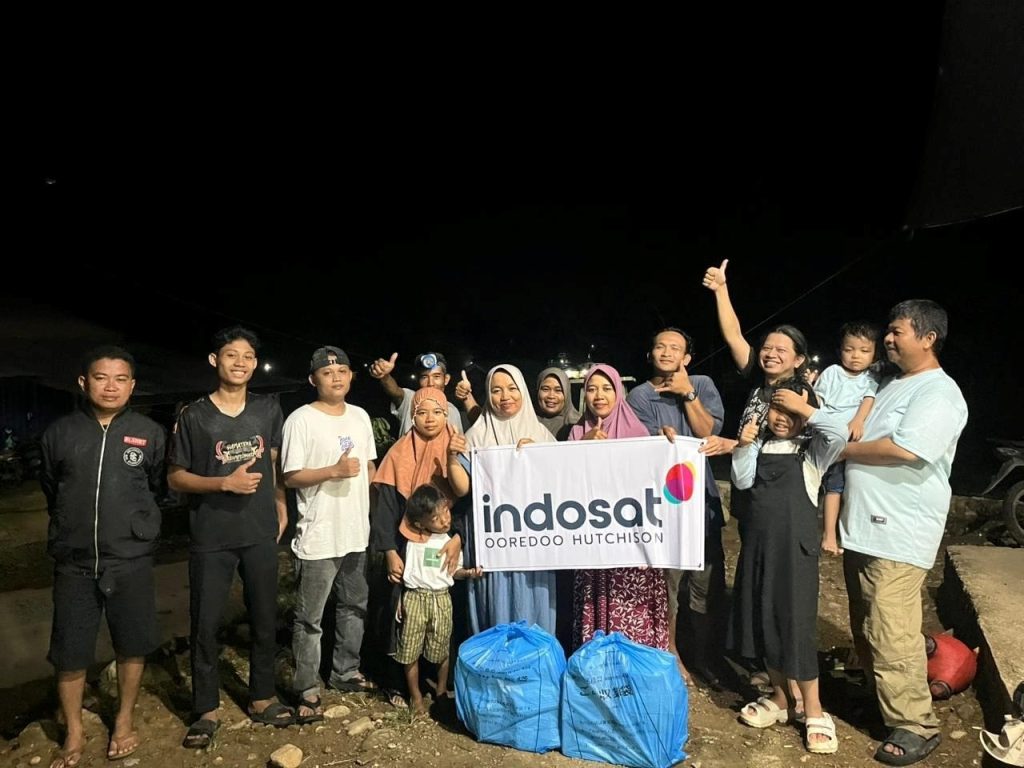
The implementation of the INDOSAT SIGAP Program demonstrates that cross-party collaboration plays a crucial role in ensuring that emergency responses can run effectively and in accordance with field needs. Through the support of corporate partners, the implementation of public kitchen programs and clean water distribution reached affected communities during the most critical phase.
Filantra encourages collaboration with corporate partners and stakeholders to strengthen humanitarian responses and support the development of further initiatives in the recovery phase, ensuring that the program’s impact is sustainable and aligned with the needs of the affected communities.