Health Service Program (Curative) PT Perusahaan Gas Negara Tbk
Partner: PT Perusahaan Gas Negara Tbk
Industry: Energy & Petroleum
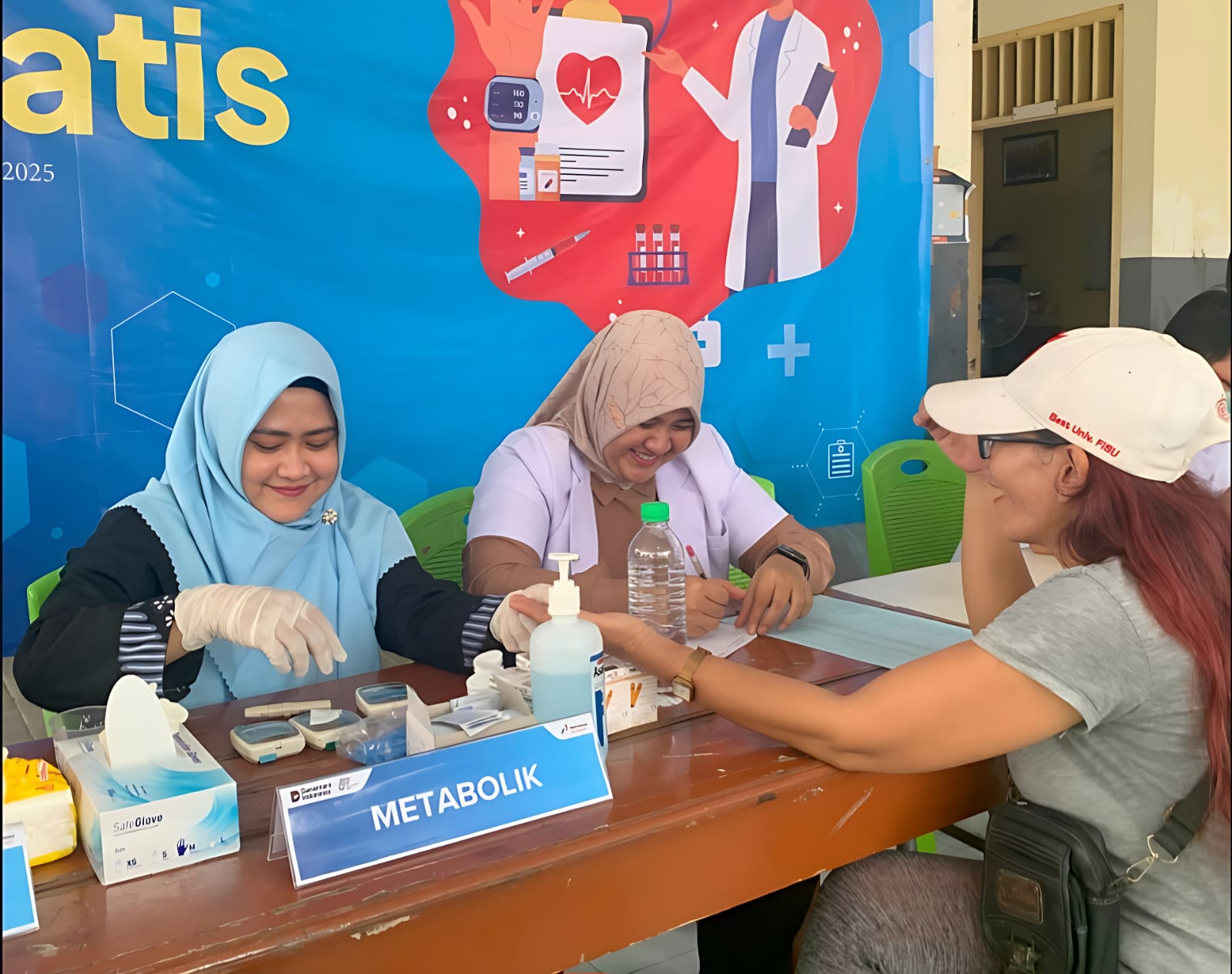
Objective : This integrated community health program aims to improve overall health standards through promotive, preventive, and curative approaches. Promotive efforts are realized through Group Gymnastics and Healthy Walks to promote an active lifestyle. Preventive and educational aspects are strengthened with Health Education sessions to increase awareness of Clean and Healthy Living Behaviors (PHBS), as well as Metabolic Check services for 149 beneficiaries for early detection of disease risks. On the curative side, the program provides Health Services to 673 beneficiaries for medical treatment. Finally, nutritional intervention is provided through the distribution of 112 Supplementary Feeding packages (PMT) for children and toddlers to optimize nutritional status and prevent stunting. Overall, this program ensures access to basic health services, education, and nutritional support for the community.
Challenges:
The challenge is ensuring the Supplementary Feeding (PMT) is on target, aligns with the specific nutritional needs of children in the area, and addresses the potential for broader malnutrition in the community.
A primary challenge in Indonesia is the equity and affordability of health services. Limited access (e.g., due to transportation or indirect costs) can hinder community participation in program activities (gymnastics, healthy walks, check-ups).
The challenge is ensuring the Supplementary Feeding (PMT) is on target, aligns with the specific nutritional needs of children in the area, and addresses the potential for broader malnutrition in the community.
Solutions:
This community empowerment program is designed to create a sustainable impact. Here are the core solutions for each activity that can be implemented:
- Solution for Improving Fitness and Active Lifestyle
The “Group Gymnastics” and “Healthy Walk” programs aim to increase awareness of physical activity. Concrete steps include:- Establishing sports groups at the neighborhood (RW) level with regular schedules to facilitate resident participation.
- Utilizing public spaces like fields or community halls as centers for community activities.
- Solution for Enhancing Independent Health Literacy
The “Health Education” program serves as the foundation for healthy living behaviors. To strengthen it, the solutions are:- Training residents to become health cadres in each hamlet (RT) who can disseminate basic information such as first aid and disease prevention.
- Developing educational materials in the form of posters or social media groups using easy-to-understand language.
- Solution for Strengthening Basic Health Services
The high demand for curative services, which has reached 673 people, requires a sustainability strategy. Efforts that can be made include:- Optimizing the function of integrated health service posts (Posyandu) as the frontline for basic health services with support from professional health workers.
- Establishing a clear referral system for cases requiring further treatment at healthcare facilities.
- Solution for Early Detection and Disease Prevention
The “Metabolic Check” service is an investment in disease prevention. To optimize its benefits, it is necessary to:- Advocate for holding periodic health screenings, especially for the productive age group and the elderly.
- Supporting every family in maintaining health records to monitor their own health trends.
- Solution for Combating and Preventing Stunting
The “Supplementary Feeding (PMT)” program is a direct intervention. For long-term solutions, the strategy is:- Organizing cooking demonstrations and nutrition education for parents on preparing nutritious and affordable complementary foods (MPASI) and meals for toddlers.
- Promoting the utilization of home yards through urban farming to independently provide additional food ingredients.
Impact:
Directly, the most tangible impact is that 109 adult women, 36 toddlers, and hundreds of other beneficiaries received health services they might not have easily accessed, thereby alleviating the community’s economic burden.
The program creates impact by opening access to health examinations (39 general examination cases). The community becomes aware of their health conditions, such as hypertension or high cholesterol, before they become more severe.
The program reaches various age groups and genders, with special attention to the group in most need, namely adult women (34%), who often are the backbone of family health.
SDGs Relevance:
SDGs 3: Good Health and Well-Being.
Based on the need to address health challenges at the local level, this program is present with the main goal of expanding access to quality health services for the community.
Support Sustainable Health Programs!
Let’s work together to realize a healthier and more productive Surabaya community. Support free health service programs like this so they can reach more residents in need.