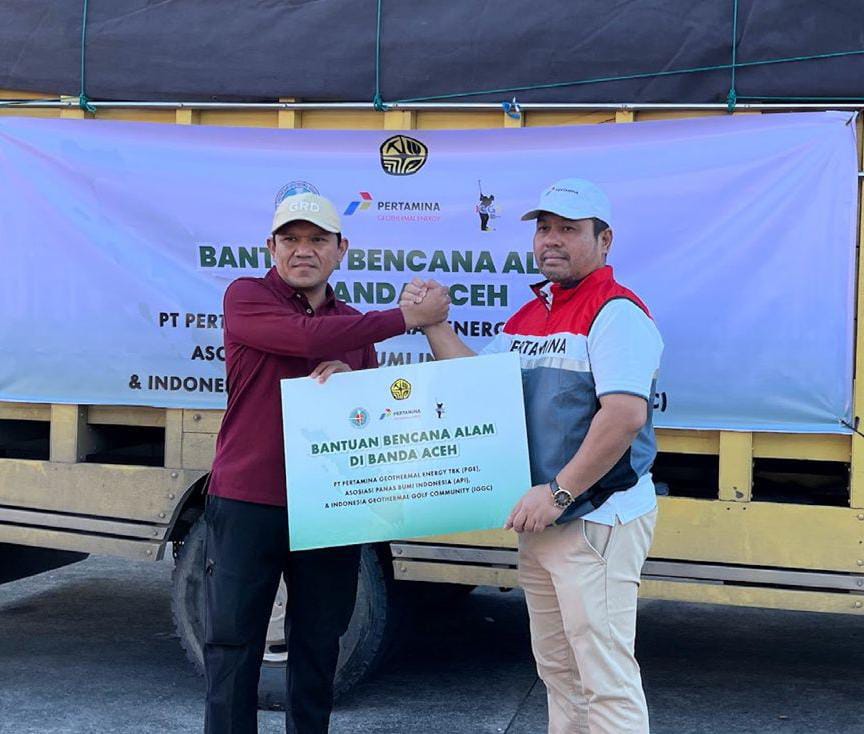
Emergency Logistics Distribution for Aceh Flood Affected Communities by PT Pertamina Geothermal Energy Tbk with Filantra
Partner : PT Pertamina Geothermal Energy Tbk
Industry : Energy
Objective : The objective of this Aceh Flood Disaster Logistics Assistance activity is to provide a rapid and precise response to the emergency conditions experienced by the flood-affected community through the distribution of food and non-food logistics assistance to meet basic daily needs. This program aims to alleviate the social and economic burdens of the affected community while supporting the initial post-disaster recovery process so that the community can survive and gradually return to their activities. Additionally, this activity serves as an effort to strengthen the collaboration between PT Pertamina Geothermal Energy Tbk and Filantra in disaster management, as well as to foster social concern and community resilience in facing various challenges and disaster risks in the future.
Challenges :
- Access to affected areas was limited due to damage to roads, bridges, and primary infrastructure, so the logistics distribution process could not be carried out quickly and evenly, especially to areas that were temporarily isolated.
- Unstable weather conditions with high rainfall intensity in several areas hindered team mobilization and aid delivery, while also increasing safety risks during distribution activities.
- The very large number of evacuees scattered across various evacuation points made it difficult to collect comprehensive data on needs, requiring intensive coordination to ensure that the assistance distributed met the most urgent needs.
- Limited clean water, sanitation, and health facilities at evacuation sites increased vulnerability to diseases, so logistics assistance needed to be adjusted to the health and hygiene conditions of the community.
- Complex cross-party coordination between volunteers, local governments, and humanitarian partners became a challenge in ensuring that aid distribution ran orderly, was on target, and did not overlap.
Solutions :
- Coordinated logistics assistance distribution with local government, PT Pertamina Geothermal Energy Tbk worked with the Aceh Provincial Government and Filantra to ensure that aid was distributed according to the needs of the affected community and integrated with the ongoing disaster management system.
- Utilization of air routes to reach isolated areas, Aid distribution was carried out via helicopter to reach areas that were difficult to access due to infrastructure damage, ensuring aid still reached the community despite limited land access.
- Distribution of aid to priority flood-affected points, Assistance was directed to areas with high impact levels and urgent needs, both through direct distribution to residents and through posts and government representatives for further distribution.
- Involvement of volunteers and authorities in distribution escorting, The aid distribution process involved volunteers, TNI, Polri, BNPB, and other related parties to ensure distribution ran safely, orderly, and reached the right targets.
- Provision of food and non-food logistics according to emergency needs, Assistance was structured to meet the basic needs of the community post-disaster, including the fulfillment of food, personal hygiene, health, and temporary protection for affected families.
Program Impact :
- Fulfillment of basic needs for flood-affected communities, Food logistics assistance helped the community meet daily food needs amidst limited access, while non-food logistics such as hygiene kits and family needs supported daily life at evacuation sites.
- Reduced health risks in evacuation environments, The provision of hygiene kits, medicine, and sanitation needs helped maintain community health and suppressed the potential for diseases caused by unhygienic post-flood environments.
- Supporting the protection and comfort of evacuees, Assistance in the form of blankets, mattresses, tarpaulins, and family emergency kits helped create safer and more decent evacuation conditions, especially for vulnerable groups such as children and women.
- Accelerating humanitarian response in affected areas, Aid distribution through air and land routes allowed assistance to reach affected areas faster, so the urgent needs of the community could be met immediately.
- Strengthening trust and social solidarity, This activity demonstrated the company’s presence in emergency situations, strengthening the relationship between the company, government, and community, and fostering a sense of solidarity and shared concern in facing disasters.
SDGs Relevance :
- Relevance to SDGs Goal 2: Zero Hunger
The Aceh Flood Disaster Logistics Assistance Program contributes directly to the achievement of SDG Goal 2 by ensuring food availability for disaster-affected communities. The distribution of food logistics assistance helps meet the daily consumption needs of residents at evacuation sites, thereby preventing food insecurity and the risk of malnutrition during the emergency response period. This effort is important to maintain temporary food security for survivors, especially vulnerable groups, so they continue to have access to proper intake amidst post-disaster limitations.
- Relevance to SDGs Goal 3: Good Health and Well-Being
This program is also aligned with SDG Goal 3 through the provision of non-food logistics that support health, hygiene, and basic protection for affected communities. Assistance in the form of personal hygiene kits, medicine, and family emergency kits plays a role in preventing the spread of diseases, maintaining physical health, and creating a safer and more decent evacuation environment. Additionally, the fulfillment of these basic needs supports the psychosocial well-being of the community, especially for vulnerable groups such as toddlers, the elderly, and people with disabilities, during the post-disaster recovery period.
When Waters Overflow, Solidarity Becomes the Support
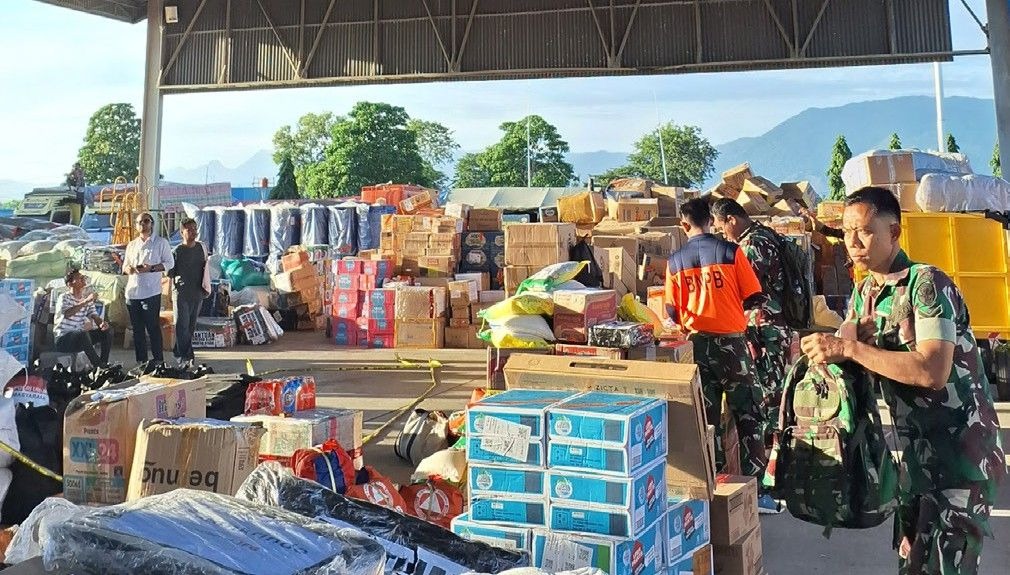
Through collaboration and shared concern, Filantra invites various stakeholders to provide a humanitarian response that is fast, precise, and sustainable, while expanding the reach of aid and strengthening community resilience in facing future disasters.