
Concrete Steps by PT PLN Indonesia Power and Filantra Transforming Waste into Benefits for the Community
Partner: PT PLN Indonesia Power
Industry : Energy
Objectives : This Maggot House Construction Program aims to support more optimal organic waste management through the provision of maggot cultivation facilities that can be utilized by the community, as well as encouraging the utilization of cultivation yields as an added economic value. This program also serves as a form of social concern by PT PLN Indonesia Power together with Filantra in supporting community empowerment and better environmental management.
Challenges :
In the implementation of this program, several challenges must be addressed to ensure that organic waste management through maggot cultivation runs optimally, including: Low community awareness and understanding regarding segregated organic waste management The habit of mixing waste types, which complicates further processing Limited facilities and supporting infrastructure for organic waste processing Lack of community technical knowledge regarding maggot (BSF) cultivation Negative public perception toward maggots, which are still considered dirty or useless Challenges in maintaining consistent and productive operational sustainability of the cultivation Suboptimal utilization of processed yields, such as animal feed and organic fertilizer, on a broad scale
Solutions :
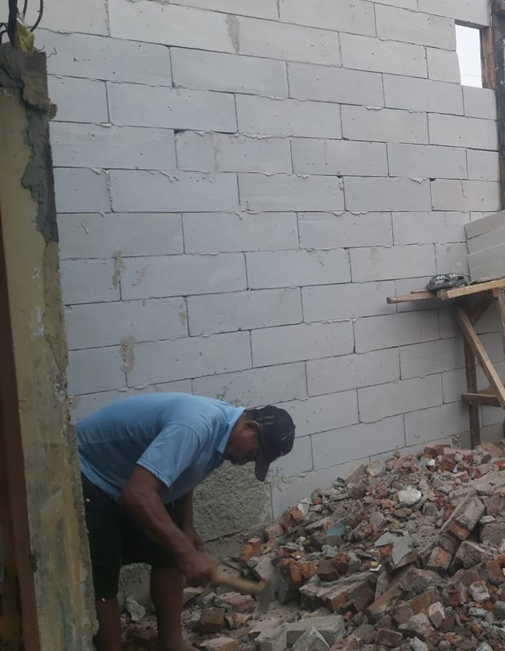
This program presents a solution through the construction of maggot house facilities as a more structured and centralized organic waste processing tool within the community. Through the collaboration between PT PLN Indonesia Power and Filantra, this facility is utilized by the Sahabat RW 04 Waste Bank as a site for maggot cultivation and organic waste processing. This approach allows organic waste to be processed more effectively and in an environmentally friendly manner, while providing practical learning tools for the community in sustainable waste management.
Program Impact :
The implementation of this program provides a tangible impact for the community and the environment, including: Enhancing the community’s ability to manage organic waste in a more structured and effective manner Reducing the volume of organic waste in the surrounding environment Providing educational tools for the community regarding eco-friendly waste processing Opening opportunities for the utilization of maggot cultivation yields, such as animal feed and organic fertilizer Supporting the creation of a cleaner and more sustainable environment
SDGs Relevance :
SDGs 9: Industry, Innovation and Infrastructure A goal to build resilient infrastructure, promote inclusive and sustainable industrialization, and foster innovation. The maggot house construction program contributes through the provision of innovative and eco-friendly community-based organic waste processing facilities, while generating economic added value from cultivation yields.
SDGs 11: Sustainable Cities and Communities A goal to make cities and human settlements inclusive, safe, resilient, and sustainable. This program supports the creation of a cleaner and healthier environment through community-level organic waste management, reducing waste volume to landfills, and increasing community awareness and participation in environmental conservation.
Transforming Waste into Value for the Environment and Community
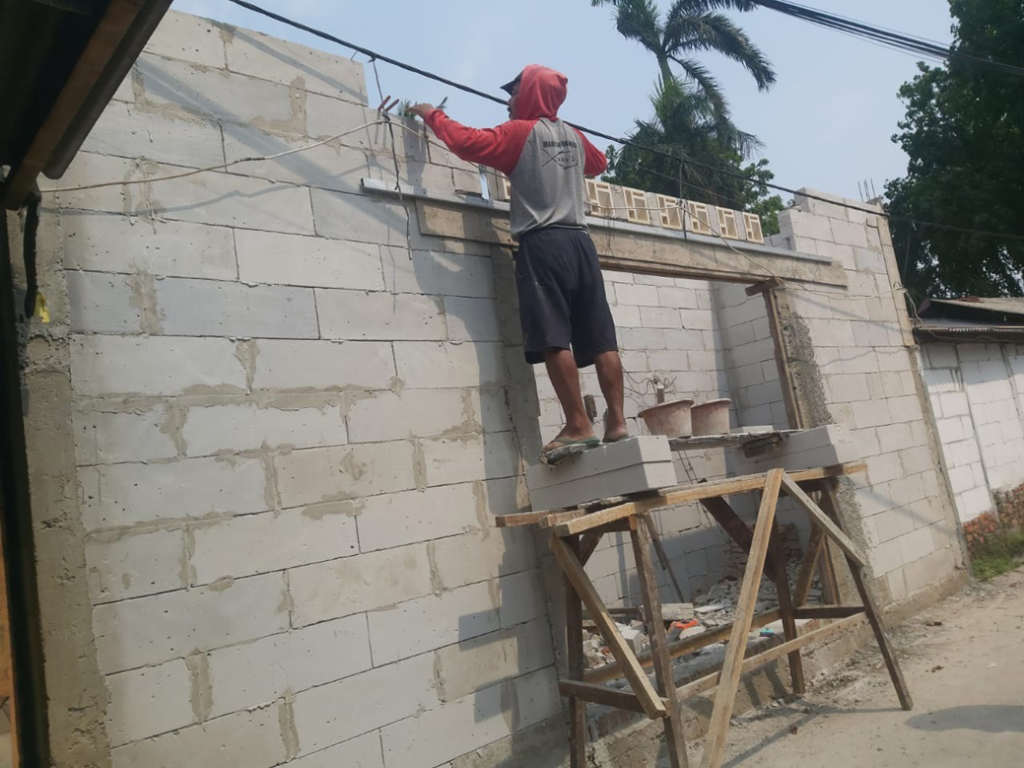
Organic waste, which has long been an environmental issue, actually holds the potential to be utilized more optimally. The Maggot House Construction Program serves as a solution to manage organic waste in a more structured and eco-friendly way, while providing tangible benefits to the community through the maggot cultivation process.
This program is a collaboration between PT PLN Indonesia Power and Filantra in delivering community-based environmental management innovation. Through this synergy, Filantra also opens opportunities for various parties to collaborate in driving sustainable programs that provide a positive impact on the environment and community empowerment.