Concrete Action for Recovery, Disaster Response by Great Eastern and Filantra in Sumatra 2025
Partners: Great Eastern
Industry : Financial Services (Insurance)
Objective: The objective of the 2025 Disaster Response Assistance Program in Sumatra is to provide humanitarian support to communities affected by flooding in North Sumatra, West Sumatra, and Aceh through the distribution of logistical assistance and emergency supplies. This program aims to help meet the basic needs of communities during the emergency response period while alleviating the social and economic burdens caused by the disaster. In addition, this activity also supports post-disaster management efforts so that affected communities can survive, feel safer, and gradually return to their daily activities. Through collaboration between Great Eastern and Filantra, this program is expected to strengthen synergy in disaster response and contribute to strengthening community resilience in facing future disaster risks.
Challenges:
- Access to affected areas waslimited due to damage to roads, bridges, and key infrastructure, requiring special arrangements and time to distribute aid to several affected locations.
- Some areas were temporarily isolated, complicating the evacuation process and the direct distribution of logistical aid to affected communities.
- Weather conditions that were not yet fully stable hampered the mobilization of teams in the field and had the potential to delay the delivery of aid to evacuation points.
- The large number of refugees scattered across various evacuation sites has made it difficult to quickly and evenly assess their needs, requiring intensive coordination to determine aid distribution priorities.
- The limited availability of clean water, sanitation, and health services at evacuation sites increases the community’s vulnerability to disease, so aid needs to be tailored to the health and hygiene conditions on the ground.
- Cross-sector coordination involving multiple stakeholders poses a unique challenge to ensure that aid distribution is orderly, targeted, and does not overlap.
Solutions:
- Direct procurement of aid in affected areas, Food and logistical aid is provided directly in affected districts/cities by field teams, allowing the type of aid to be tailored to local community needs and speeding up the distribution process.
- Sorting and preparation of logistics at the nearest collection point, Aid that has been procured is then sorted and prepared in warehouses or the nearest collection points before distribution, to ensure that logistics are ready for distribution and well organized.
- Coordination with local disaster management agencies, The distribution process is carried out in coordination with the regional BNPB, provincial BPBD, and local disaster response posts to ensure that distribution is carried out in accordance with the applicable disaster management mechanisms.
- Distribution of aid through official command posts and direct handover, Aid is distributed to disaster command posts or handed over directly to command post representatives and authorities in the affected areas, so that aid can be regularly forwarded to the people in need.
- Implementation of distribution in several affected province, Aid distribution is carried out in stages in the regions of West Sumatra, North Sumatra, and Aceh as a form of humanitarian response that reaches various areas with significant levels of disaster impact.
- Collaboration between the company and implementing partners, Great Eastern and Filantra are running this program collaboratively, with a clear division of roles between the field team and local partners to ensure that aid is delivered effectively and responsibly.
Program Impact:
- Meeting the basic needs of disaster-affected communities
The distribution of food aid helps communities in evacuation sites meet their daily consumption needs, enabling them to survive amid the limitations caused by floods and landslides.
- Supporting the health and hygiene of refugees
Logistical assistance and supporting equipment help maintain personal hygiene and the cleanliness of evacuation sites, thereby reducing the risk of post-disaster health problems.
- Facilitating the smooth implementation of emergency response efforts in affected areas
Distribution of aid through coordination with local disaster management posts and agencies allows aid to be distributed in a more orderly manner and in accordance with field needs.
- Alleviating the social burden on affected communities
The presence of aid provides tangible support to communities affected by disasters, while helping to reduce social and economic pressures during the emergency response period.
- Strengthening synergy and humanitarian solidarity
The collaboration between Great Eastern and Filantra strengthens cross-sector cooperation in disaster management and fosters a sense of care and solidarity towards affected communities.
- Supporting the initial post-disaster recovery process
The aid distributed is part of the initial recovery efforts, helping communities feel safer and gradually resume their daily activities after the disaster.
SDG relevance:
- SDG Goal 2: Zero Hunger
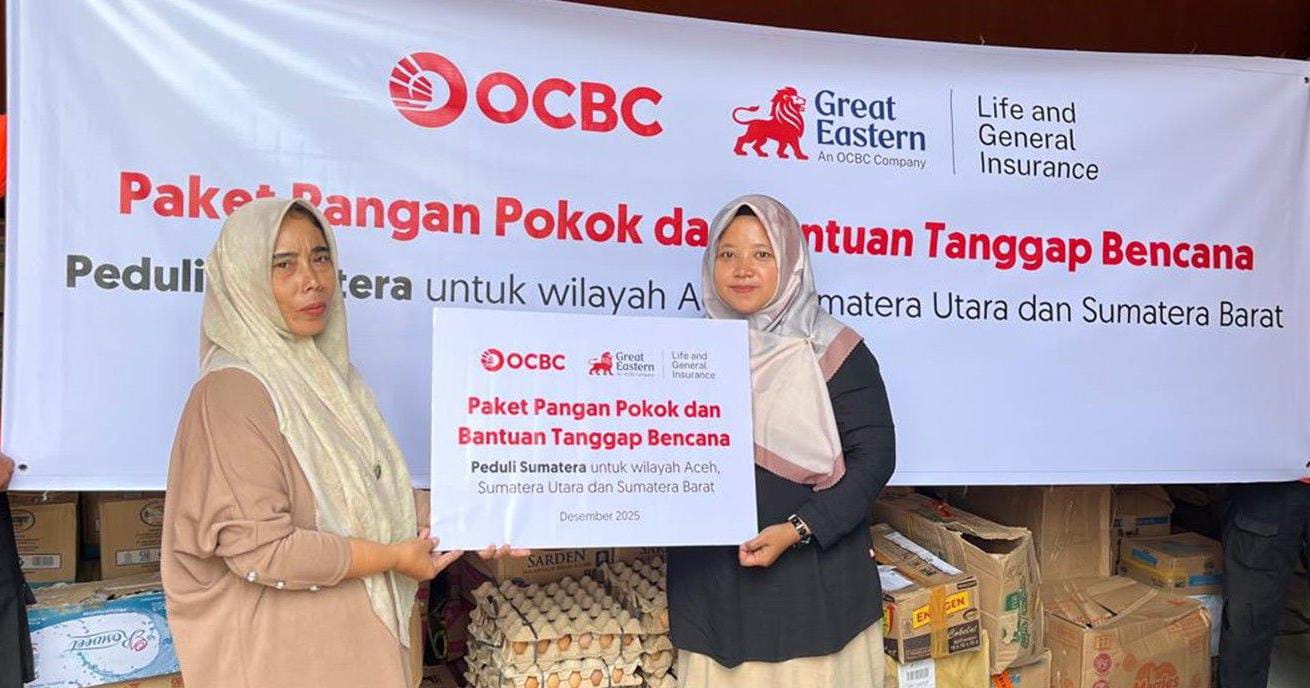
The distribution of 2025 Sumatra Disaster Response Aid by Great Eastern supports efforts to meet the food needs of communities affected by disasters. Aid in the form of rice, sardines, eggs, cooking oil, 1500 ml bottled mineral water, energy drinks, and biscuits helps maintain food availability in evacuation sites and plays a role in preventing food insecurity and the risk of malnutrition during the emergency response period.
- SDGs Goal 3: Good Health and Well-Being
This program also contributes to supporting the health and hygiene of affected communities, especially vulnerable groups. The distribution of diapers for toddlers helps maintain personal hygiene and reduce the risk of infection in post-disaster evacuation sites, thereby supporting the physical health and well-being of communities during the emergency response period.
Synergy for meeting the basic needs of the community
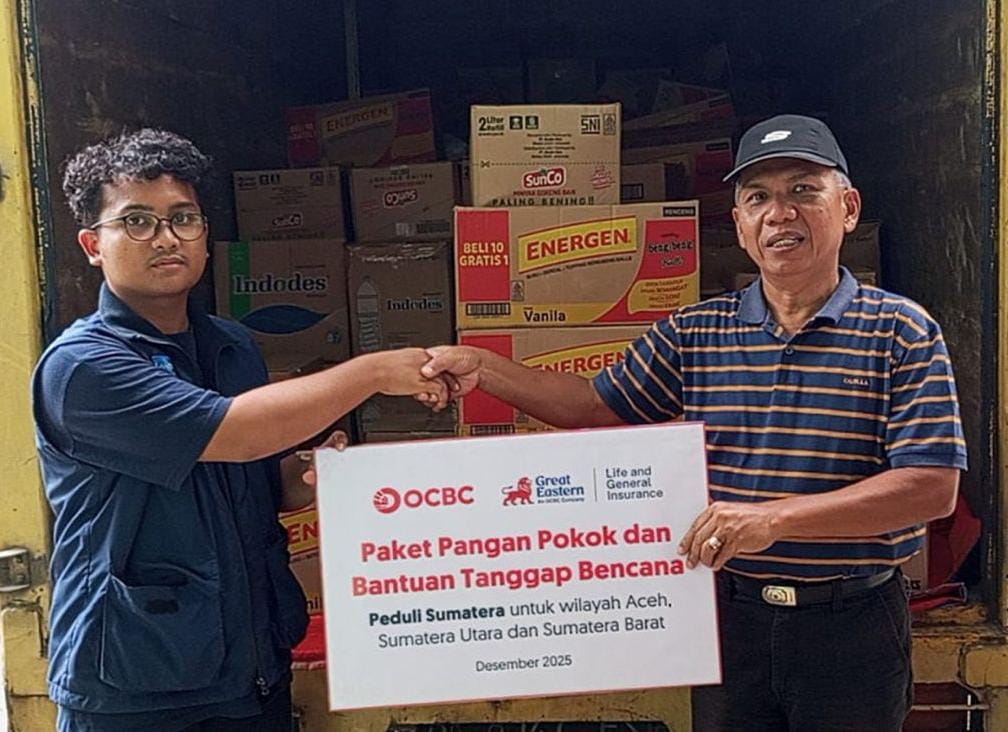
Through cooperation with strategic partners such as Filantra, cross-sector collaboration is expected to expand the distribution of food, logistics, and other basic needs to communities affected by floods and landslides. This synergy is important to ensure that aid is distributed in a timely manner, on target, and in line with needs on the ground, thereby supporting the fulfillment of basic needs and maintaining the health and welfare of the community during the emergency response period.